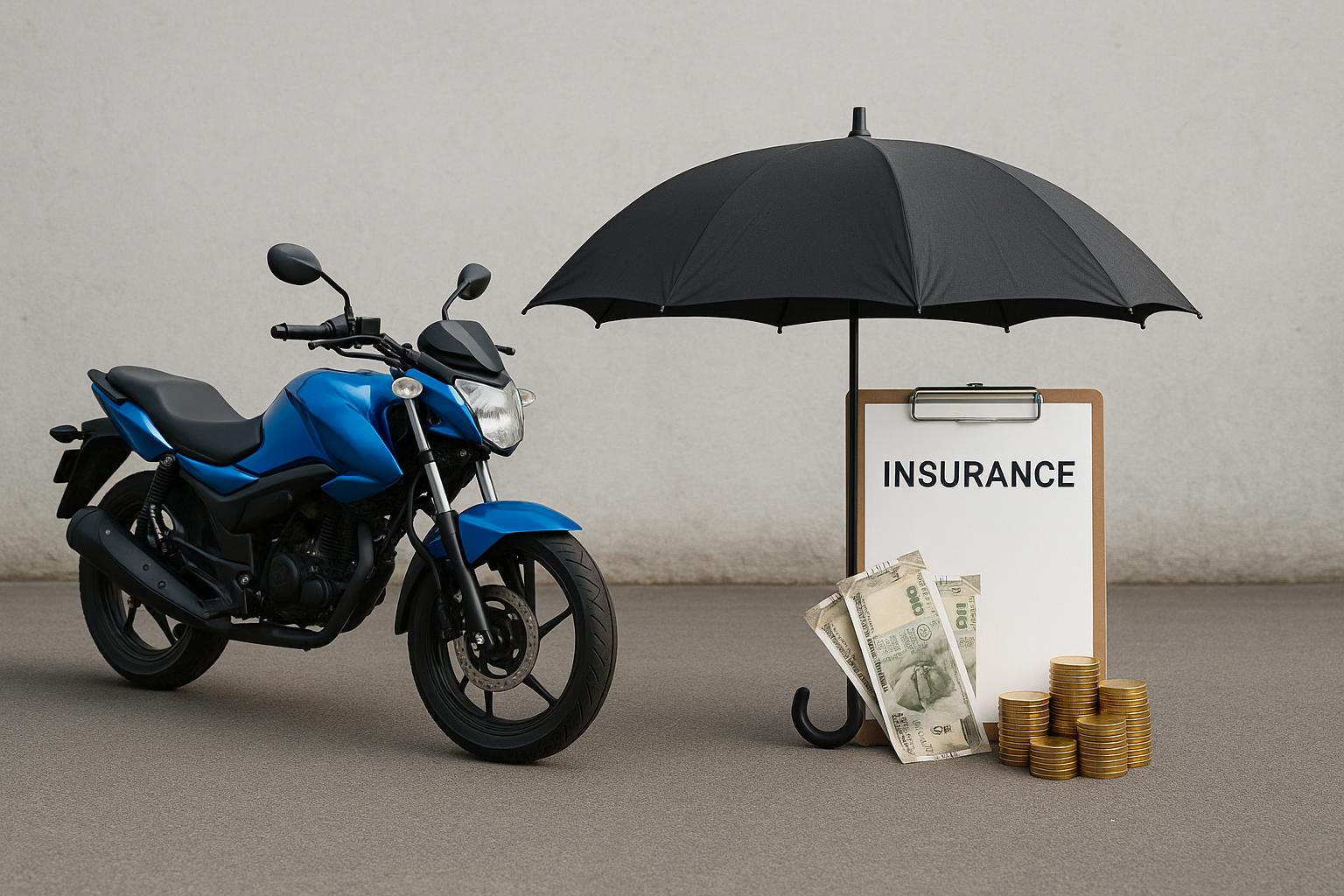
You can delay a bike wash. You can even ignore that “service due” reminder for another weekend. But riding without the right bike insurance? That you cannot afford.
A reliable two-wheeler insurance policy helps you deal with third-party liabilities, theft, and unexpected damage.
Almost every bike owner in India has insurance because the law requires it. But having a policy and having the right cover are two very different things. Most people find that out only when they file a claim and realise their cover does not go as far as they thought.
Insurance is not just paperwork for traffic checks. It is a backup for the moments you never plan for.
Which Type of Two-Wheeler Insurance Should You Choose?
There are three types of bike insurance in India, and knowing the difference saves you from picking the wrong one:
is the legal minimum. It covers injury or property damage your bike causes to someone else on the road. It does not cover your own bike.
It covers your bike against accidents, theft, fire, floods, and natural calamities, but does not include any third-party liability. You cannot buy it as a standalone plan for a new bike, but it can be added on top of an existing third-party policy.
This covers both third-party liabilities and damage to your own bike. So whether it is an accident, theft, flood damage, fire, or vandalism, a comprehensive bike insurance plan helps you manage the costs. You can also add covers like zero depreciation and roadside assistance for wider protection.
What Does Bike Insurance Actually Cover?
A standard comprehensive bike insurance policy usually includes:
- Accidental damage to your two-wheeler
- Theft of the vehicle
- Damage from floods, earthquakes, and other natural calamities
- Fire damage
- Third-party liability
- Personal accident cover for the owner-rider
What it generally does not cover: regular wear and tear, electrical/mechanical breakdown, and damage caused while riding without a valid licence or under the influence of drugs or alcohol.
How is the Premium Calculated?
Your two-wheeler insurance premium depends on these key things:
| Factor | Impact on Premium | Why it Matters |
|---|---|---|
| Engine Capacity (CC) | Increases with higher CC | Larger engines are considered higher risk and have higher third-party rates |
| Age of the bike | Decreases over time | As the bike ages, its Insured Declared Value (IDV) drops, lowering the premium |
| City of registration | Higher in Metros | High-traffic areas (like Delhi or Mumbai) have a higher risk of accidents or theft |
| No Claim Bonus (NCB) | Decreases (up to 50%) | It is a reward for claim-free years. The longer you go without a claim, the less you pay |
| Add-ons chosen | Increases per add-on | Optional covers like zero depreciation or roadside assistance add specific value and cost |
What are the Add-Ons Worth Considering?
The base plan covers the basics. For everything else, there are add-ons:
- Zero Depreciation Cover: Claim the full cost of parts without depreciation cuts. Highly recommended for newer bikes.
- Roadside Assistance: Flat tyre, dead battery, or a breakdown in the middle of nowhere. Someone comes to you.
- Engine Protection Cover: Covers internal engine damage, especially useful in flood-prone areas.
- Return to Invoice: If your bike is stolen or totalled, you get the original invoice value.
Conclusion
You can buy or renew two-wheeler insurance online in a few minutes. Keep your bike’s registration number, previous policy details (if renewing), and basic personal information handy.
Compare plans based on IDV, premium, claim settlement ratio of the insurer, and the add-ons available. Do not just go for the cheapest option. Go for the one that actually covers what you need.
Your bike gets you where you need to go. Bike insurance makes sure a bad day on the road does not become a financial disaster.