Arnold Buckman is an Illinois-based entrepreneur, investor, and business leader whose professional experience spans aviation, agriculture, recycling, real estate, and private wealth management. In addition to overseeing Buckman Iron & Metal Co., Inc. and managing agricultural and investment operations, Arnold Buckman is also active in aviation through Buckman Aviation, LLC. As a pilot with instrument ratings, he maintains firsthand knowledge of the operational and safety considerations involved in small aircraft flight. His aviation business provides regional charter services, while his broader professional background reflects decades of leadership and operational management across multiple industries. Given his direct experience as a pilot and aviation business owner, Arnold Buckman understands the importance of weather awareness in small aircraft operations and the role that changing environmental conditions play in flight planning, aircraft performance, and pilot decision-making.
Understanding How Weather Affects Small Aircraft
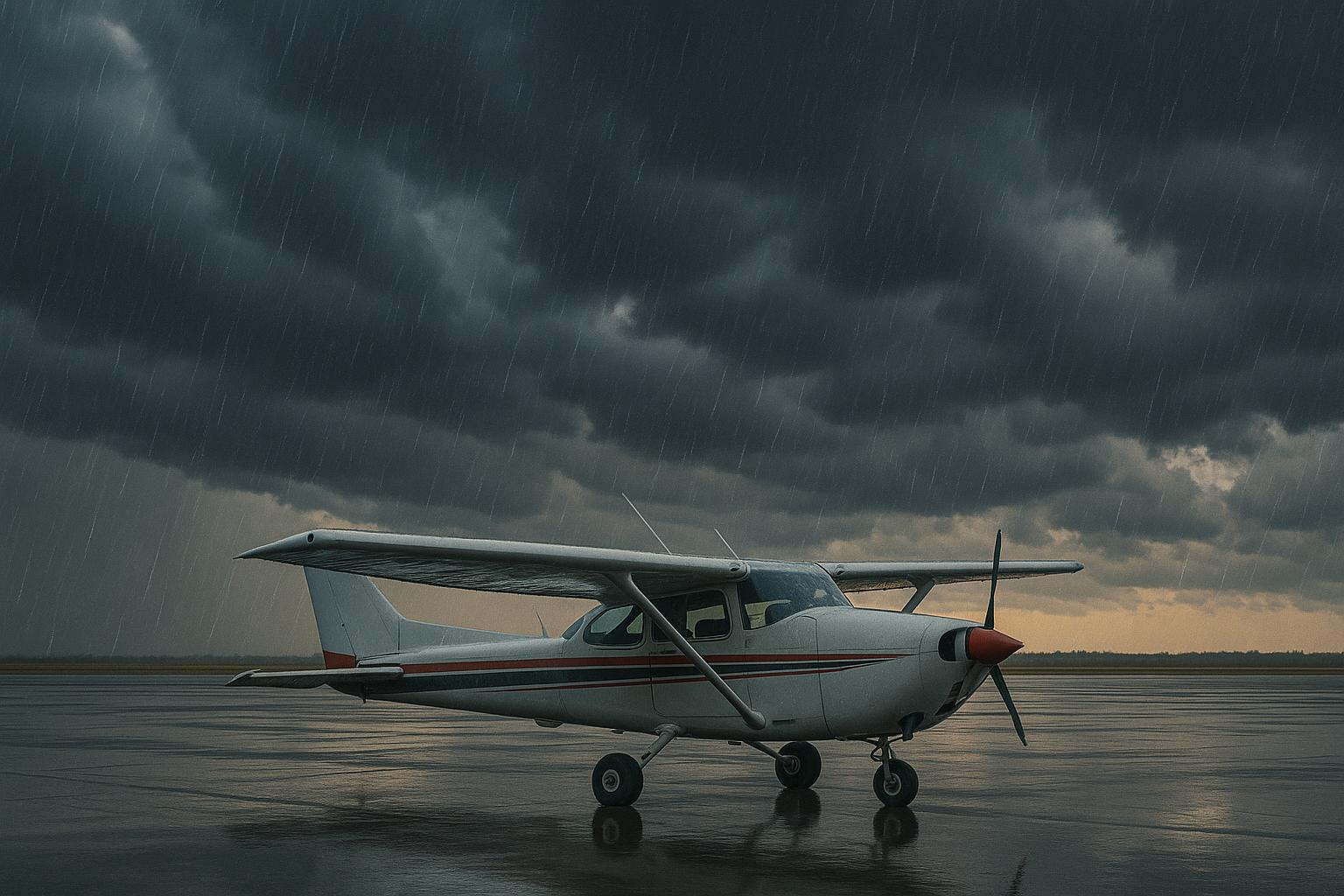
Weather is one of the most important factors influencing small aircraft operations. For recreational pilots in particular, understanding how conditions such as wind, visibility, turbulence, and temperature affect flight is essential for making safe and informed decisions. Unlike larger commercial aircraft, small planes are more sensitive to the environment, which means even small weather changes can have a noticeable impact on performance and handling.
Wind is often the most immediate concern. While a steady headwind can actually be beneficial by shortening takeoff and landing distances, strong or gusty winds can make control more difficult. Crosswinds, which blow perpendicular to a runway, require careful technique during takeoff and landing to maintain alignment. Each aircraft has a demonstrated crosswind component, and exceeding that limit can increase the risk of losing control on the ground. Winds aloft also influence navigation by pushing an aircraft off course, requiring pilots to adjust their heading to stay on track.
Visibility plays a critical role in how pilots navigate and avoid obstacles or other aircraft. Recreational flying is typically conducted under visual flight rules, which require pilots to maintain clear visibility of the horizon and the surrounding environment. Conditions such as fog, heavy rain, or haze can reduce visibility and make it difficult to judge distance, altitude, and terrain. Low visibility also increases the risk of controlled flight into terrain, a type of accident that occurs when an airworthy aircraft is unintentionally flown into the ground or an obstacle.
Turbulence is another common weather-related challenge. It occurs when air moves irregularly, often due to uneven heating of the ground, terrain features, or weather systems. For small aircraft, turbulence can cause sudden changes in altitude and attitude, making the ride uncomfortable and sometimes difficult to control. Mechanical turbulence, which occurs near buildings, trees, or mountains, can be especially pronounced at lower altitudes where many recreational pilots operate. While most turbulence is not dangerous if handled properly, it requires constant attention and appropriate airspeed management.
Temperature also affects how an aircraft performs, particularly through its impact on air density. As temperature increases, air becomes less dense, which reduces engine performance, lift, and propeller efficiency. This concept, known as density altitude, is especially important at higher elevations or during hot weather. On a warm day, an aircraft may require a longer runway for takeoff and may climb more slowly than expected. Pilots must account for these factors during pre-flight planning to ensure the aircraft can operate safely within the available conditions.
Weather conditions rarely occur in isolation, and their combined effects can significantly influence a flight. For example, high temperatures paired with high humidity can further reduce performance, while strong winds combined with turbulence can increase workload during critical phases of flight. Because of this, pilots are trained to evaluate weather holistically rather than focusing on a single factor.
Careful weather assessment is a routine part of flight planning. Pilots review forecasts, observe current conditions, and consider how the weather may change during the flight. When conditions fall outside of safe or comfortable limits, the safest decision is often to delay or cancel the flight. Developing the judgment to make that call is a key part of becoming a responsible pilot.
When pilots understand how weather affects small aircraft, they can better manage risk and maintain control in a wide range of conditions. With experience and proper preparation, pilots can make informed decisions that support both safety and confidence in the air.
About Arnold Buckman
Arnold Buckman is an entrepreneur and business leader with professional interests in aviation, agriculture, recycling, real estate, and private wealth management. Based in Illinois, he oversees Buckman Iron & Metal Co., Inc., Buckman Farms, Buckman Aviation, LLC, and multiple investment ventures. Mr. Buckman also manages a private wealth fund and has experience as a former floor trader with memberships on major Chicago trading exchanges. As an instrument-rated pilot, he maintains active involvement in aviation operations and charter flight services.