With a career devoted to scientific precision and a deep connection to Guadalajara, Mexico, Ana Maria Gonzalez-Angulo, MD, PhD, brings both rigor and regional insight to the subject of wildlife safety in her home region. Dr. Gonzalez-Angulo is a senior medical oncologist and former tenured professor at the University of Texas MD Anderson Cancer Center, where she served as chief of the Department of Breast Medical Oncology, Clinical Research and Drug Development Section. Her research, published in more than 100 academic journals, has advanced the understanding of aggressive breast cancer subtypes, cancer therapy resistance, and translational genomics. She currently leads clinical research at Consultores de Oncologia and practices at the Unidad de Cancerologia in Guadalajara, Mexico, where she treats patients and continues to contribute to cancer research across Latin America and Europe.
Guadalajara, Mexico, provides local and visiting hikers with a wide range of environments to explore, ranging from deep canyons to lush forests. While planning a hiking trip in Guadalajara, hikers should carefully research and plan for the journey, which means familiarizing themselves with the region’s diversity of wildlife.
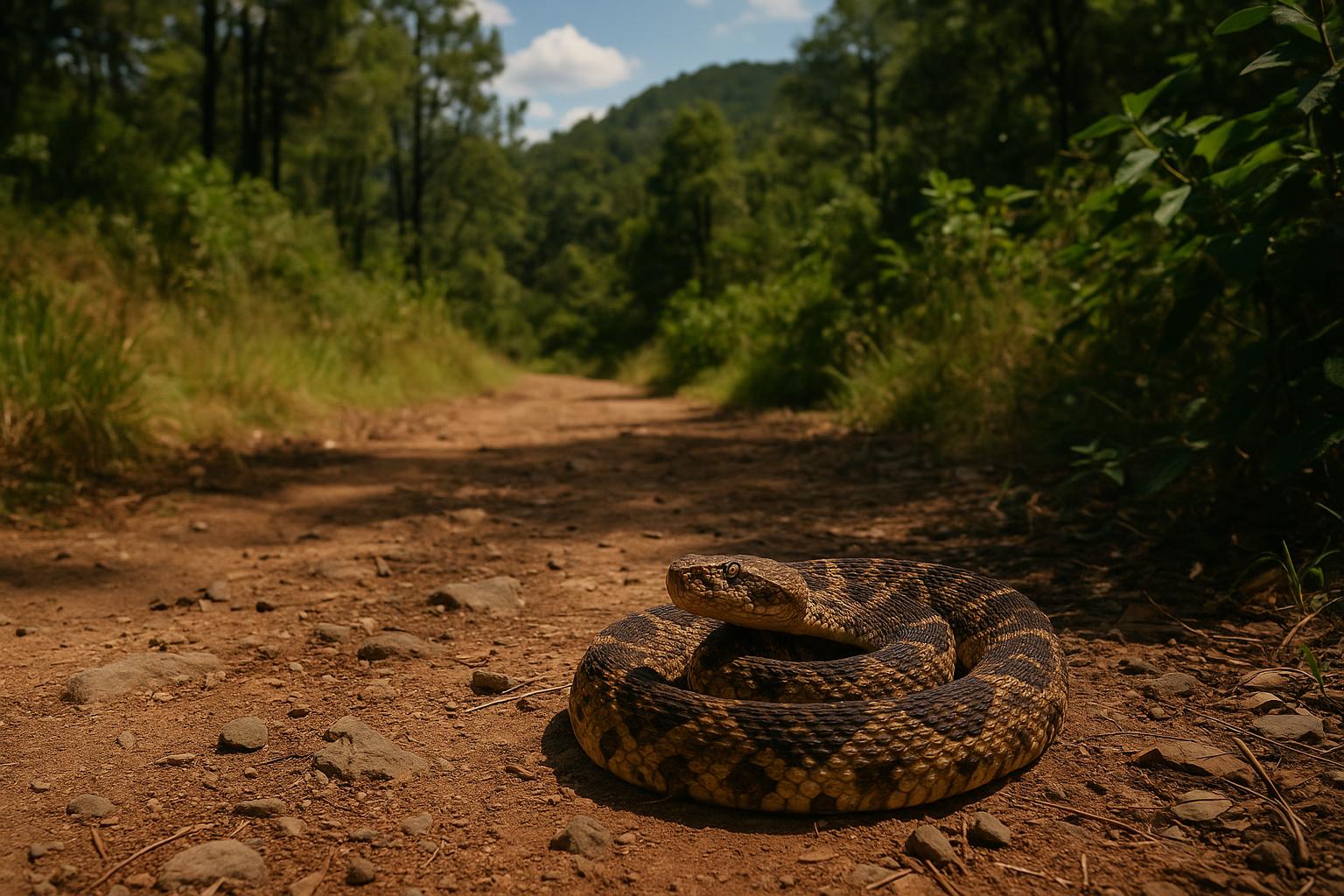
The rattlesnake is perhaps the most important animal that hikers in Guadalajara need to concern themselves with. Several species of venomous rattlesnakes inhabit the area, including the Mexican west coast rattlesnake and the Mexican lance-headed rattlesnake.
Also known as the green rattler, the Mexican west coast rattlesnake ranks among the largest rattlesnakes in the world, with a length of more than six feet. Comparatively speaking, green rattlers have a moderately potent venom. However, their size allows these snakes to inject prey with significant amounts of venom with a single bite. Hikers who receive a bite from a Mexican west coast rattlesnake should treat the encounter as a major medical emergency.
Hikers should always remain vigilant while hiking, especially in areas known for green rattlers, as the snake’s dark and light green scales are perfect for blending into the dry forest vegetation they live among. In recent years, climate change has forced Mexican west coast rattlesnakes to move into new environments, meaning even hikers in more populated environments need to exercise caution.
Mexican lance-headed rattlesnakes are much smaller than green rattlers. Despite their size, they also release large quantities of venom with each bite and pose a serious health risk to hikers. Following a bite, humans can expect local swelling and muscle spasms, according to the National Institutes of Health. These and other species of rattlesnake typically make their homes in mountainous regions and scrublands. Hikers traveling through the foothills of Guadalajara should proceed with extreme caution.
Fortunately, rattlesnakes do not view humans as prey. When scared, they will typically alert hikers to their presence using their distinctive rattle. Upon hearing this sound or seeing a rattlesnake, hikers should immediately stop moving, confirm the snake’s location, then slowly begin moving in the opposite direction. Hikers should never make sudden movements around a rattlesnake or turn their back on the animal.
If it is impossible to safely maneuver away from the animal, individuals should patiently wait for the snake to leave under its own will. In the event of a bite, hikers must immediately seek medical attention and, if possible, keep the bite area positioned below the heart. Individuals can help mitigate issues related to swelling by removing jewelry and tight clothing.
In addition to the state’s various rattlesnakes, hikers should also familiarize themselves with the distribution and behavior of coral snakes, including the west Mexican coral snake and the Sonoran coral snake. Coral snakes are much easier to spot than rattlesnakes, and hikers will immediately recognize their distinct colorations, defined by black-and-white scales marked by vibrant yellow stripes on a bright red background.
Coral snakes are not an aggressive snake species and prefer to avoid confrontations with other animals, including encounters with humans. Furthermore, they lack strong jaws, meaning they can struggle to bite and inject venom into humans. That said, coral snakes have potent venom and must be treated with respect and caution.
Snakes are just one of the many animals hikers in Guadalajara need to learn about while planning a safe and enjoyable excursion. Other notable animals include venomous spiders (such as the brown recluse) and scorpions.
About Ana Maria Gonzalez-Angulo
Dr. Ana Maria Gonzalez-Angulo is a board-certified senior medical oncologist based in Guadalajara, Mexico. With more than three decades of academic, clinical, and research experience, she previously held a tenured professorship at the University of Texas MD Anderson Cancer Center and served as chief of the Department of Breast Medical Oncology, Clinical Research and Drug Development Section. Her peer-reviewed work, spanning over 100 published journal articles, has influenced global approaches to breast cancer diagnosis and treatment. She currently directs clinical research at Consultores de Oncologia and cares for patients at the Unidad de Cancerologia.