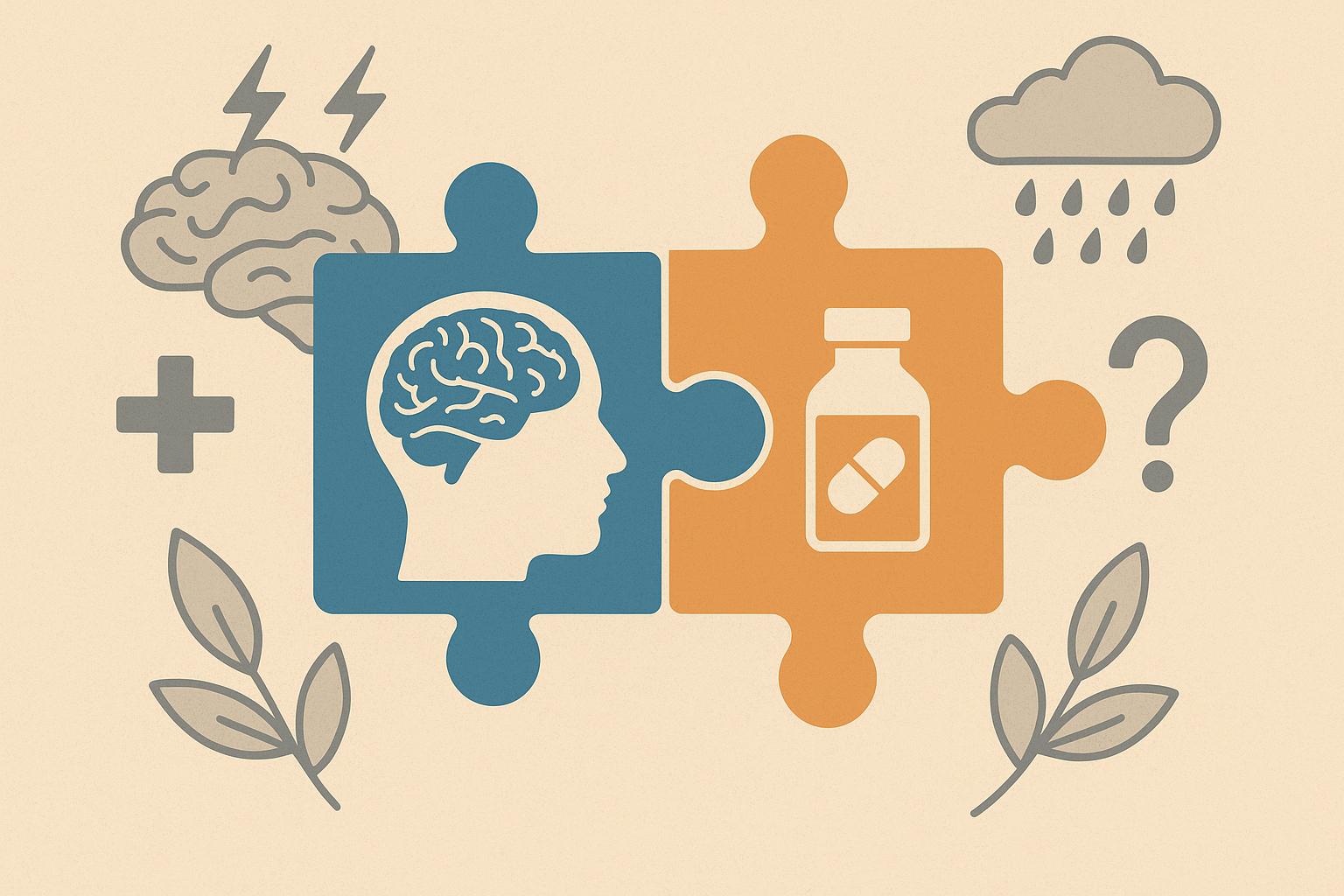
When someone struggles with both a mental health disorder and a substance use disorder simultaneously, it’s known as dual diagnosis (or co-occurring disorders). This complex condition is more common than many realize, yet it frequently goes undetected—leaving individuals without the proper support they need. Understanding dual diagnosis is crucial because treating only one condition while ignoring the other often leads to relapse or worsening symptoms.
What Is Dual Diagnosis?
Dual diagnosis occurs when a person experiences a mental health issue—such as depression, anxiety, bipolar disorder, or PTSD—alongside an addiction to drugs or alcohol. These conditions often feed into each other. For example, someone with untreated anxiety may turn to alcohol to self-medicate, while chronic substance use can worsen underlying mental health problems.
Unfortunately, many people fall through the cracks because symptoms of addiction and mental illness can overlap, making it difficult to identify both issues. A person seeking alcohol addiction treatment might have their depression overlooked, or someone receiving mental health services may not be screened for substance abuse.
Why Is Dual Diagnosis Often Missed?
1. Overlapping Symptoms
The signs of mental illness and addiction can mirror each other. Fatigue, mood swings, and social withdrawal may stem from depression or substance abuse. Without a thorough evaluation, healthcare providers might address only the most visible issue.
2. Stigma and Shame
Many individuals avoid discussing their mental health or substance use due to fear of judgment. They may downplay their struggles, making it harder for professionals to recognize a dual diagnosis.
3. Lack of Integrated Care
Not all treatment centers are equipped to handle both addiction and mental health disorders. A drug rehabilitation centre might focus solely on detox and sobriety, while a therapist may not specialize in addiction. Without integrated care, one condition often gets neglected.
4. Misdiagnosis
Some mental health symptoms are side effects of substance use, leading to misdiagnosis. For instance, stimulant abuse can mimic bipolar disorder, while alcohol withdrawal may resemble anxiety disorders. Proper assessment requires time and expertise—resources that are sometimes in short supply.
The Importance of Integrated Treatment
Effective treatment for dual diagnosis requires a coordinated approach. Therapy, medication, and support groups should address both conditions simultaneously. Cognitive Behavioral Therapy (CBT) and Dialectical Behavior Therapy (DBT) are particularly helpful, as they teach coping mechanisms for both addiction and emotional distress.
For those struggling with alcohol dependency, specialized alcohol addiction treatment programs that also offer psychiatric care can make a significant difference. Similarly, a drug rehabilitation centre that incorporates mental health counseling provides a better chance at long-term recovery.
Breaking the Cycle
If you or a loved one suspects a dual diagnosis, seeking help from professionals trained in co-occurring disorders is essential. Comprehensive mental health services that include addiction screening can prevent years of unnecessary suffering. Recovery is possible, but it starts with recognizing the full picture—not just one piece of it.
By raising awareness about dual diagnosis, we can ensure more people receive the holistic care they deserve. Whether it’s through therapy, medical treatment, or support networks, addressing both mental health and addiction together paves the way for true healing.