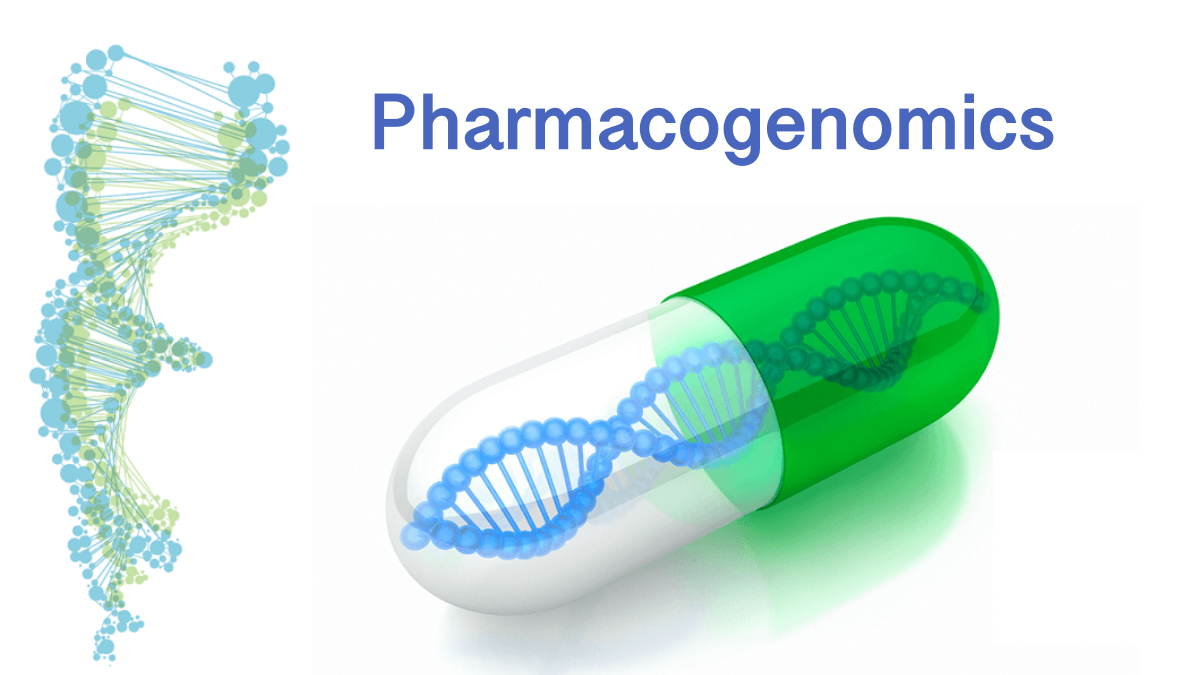
Pharmacogenomics studies how genes affect a person’s response to drugs. This relatively new field combines pharmacology (the science of drugs) and genomics (the study of genes and their functions). Pharmacogenomics can be used to develop more effective and safer medications and to determine which patients are likely to respond to which drugs.
Pharmacogenomics testing can determine a person’s genetic risk for adverse drug reactions. It can also predict how well a person will respond to a particular medication. This information can help doctors choose the best possible medicines for their patients and avoid prescribing medications that may cause serious side effects.
How Pharmacogenomics differs from Genetic Testing
Although pharmacogenomics and genetic testing both involve the analysis of a person’s DNA, they are used for different purposes. Genetic testing is used to diagnose genetic conditions or to determine a person’s risk for developing certain diseases. Pharmacogenomics testing is used to predict how a person will respond to medications.
How does Pharmacogenomics work?
Pharmacogenomics testing involves taking a sample of blood or saliva from a person and analyzing their DNA. The DNA is then compared to a database of known genetic variations to see if any of the person’s genes are associated with an increased risk for adverse drug reactions or a reduced response to certain medications.
What are the Benefits of Pharmacogenomics?
Pharmacogenomics has the potential to improve the safety and effectiveness of medications. By helping doctors choose the best possible medicines for their patients, pharmacogenomics can reduce the risk of adverse drug reactions and improve patient care. Below are the detailed benefits of pharmacogenomics:
1- Pharmacogenomics can be used to develop more effective and safer medications
- With effective and safer drugs, you can potentially:
- Reduce the risk of serious side effects
- Improve patient compliance (people are more likely to take their medications as prescribed if they are effective and have fewer side effects)
- Decrease the overall cost of healthcare
2- Pharmacogenomics can be used to determine which patients are likely to respond to which medications
This information can help:
- Reduce the number of adverse drug reactions
- Improve patient care
3- Pharmacogenomics can be used to predict how well a person will respond to a particular medication
This information can help:
- Choose the best possible medicines for patients
- Avoid prescribing medications that may cause serious side effects
4- Pharmacogenomics has the potential to improve the safety and effectiveness of medications
By helping doctors choose the best possible medicines for their patients, pharmacogenomics can:
- Reduce the risk of adverse drug reactions
- Improve patient care
What are the Risks of Pharmacogenomics?
Pharmacogenomics has potential risks, but these risks are generally low. The main risk is that a person may be incorrectly diagnosed with a condition or disease based on their genetic test results. However, this risk can be minimized by working with a healthcare team experienced in interpreting and using pharmacogenomics test results.
In conclusion, pharmacogenomics can potentially improve the safety and effectiveness of medications. It can also help doctors choose the best possible medicines for their patients and avoid prescribing medications that may cause serious side effects. However, there are potential risks associated with pharmacogenomics, but these risks are generally low.