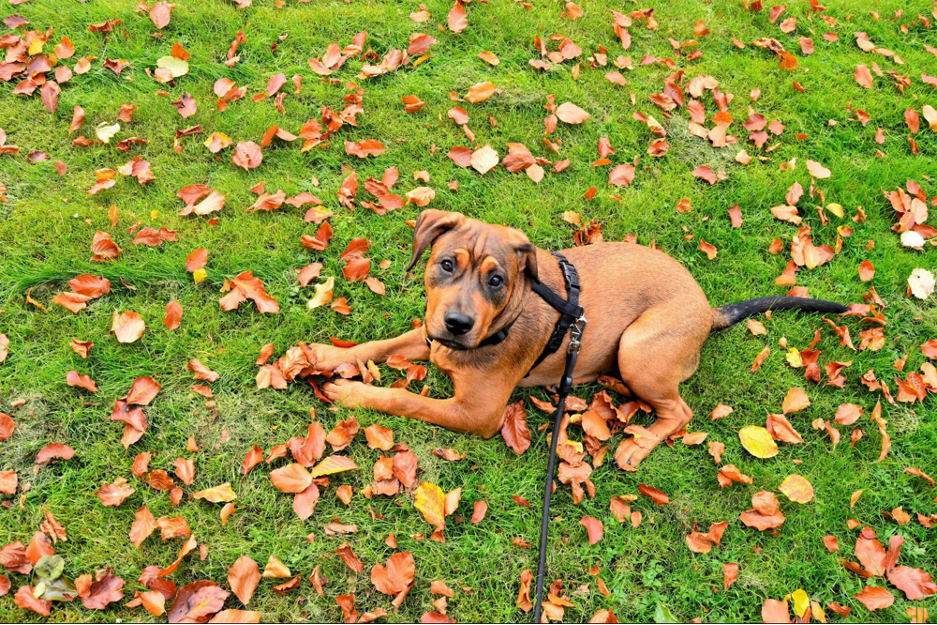
Dog bites are a serious concern for pet owners, potentially leading to physical injuries and emotional trauma. According to the Centers for Disease Control and Prevention (CDC), approximately 4.7 million dog bites occur in the United States each year. This blog post explores effective strategies to prevent dog bites, helping you to foster a safe and peaceful environment for both your canine companion and your community.
Understanding Dog Behavior
Before diving into prevention tips, it’s important to understand common reasons dogs bite. Aggression, fear, pain, and predatory instincts can all trigger a bite response. Dogs are also more likely to bite if they feel threatened or startled. Observing and understanding your dog’s body language can provide valuable insights into their emotional state and help you address potential issues before they escalate.
Early Socialization
One of the most effective ways to prevent dog bites is to socialize your dog from a young age. Early exposure to various environments, people, and other animals can help your dog become more adaptable and less prone to aggression. Socialization should be a positive experience for your dog, reinforcing good behavior with treats and praise.
Understanding Local Trends
While focusing on your local environment, it can be beneficial to understand broader trends in dog owner behavior and incidents in your area. For example, learning about Atlantas dog bite problem can provide context and help you be more vigilant. Awareness of these trends can guide you in implementing additional preventive measures.
Proper Supervision
Supervision is key when it comes to preventing dog bites, especially around children. Children may not always understand how to interact with dogs safely and may unintentionally provoke a bite. Teach children to approach dogs calmly, avoid disturbing them while they eat, and never to pull their ears or tail. Always supervise interactions between dogs and children to ensure safety for both parties.
Proper Training
Training your dog to follow basic commands such as sit, stay, and come is necessary for managing their behavior. Positive reinforcement techniques work best, as they encourage your dog to repeat desirable actions. Consistency in training helps your dog understand what is expected of them, reducing the likelihood of unpredictable behavior.
Providing a Safe Environment
Creating a safe environment for your dog is important for preventing bites. Ensure your home is free of potential stressors that may trigger aggressive behavior. Provide a comfortable space for your dog to retreat to when they need a break. Additionally, routine vet visits are important to rule out health issues that could cause pain or discomfort, leading to aggression.
Recognizing Warning Signs
Dogs often exhibit warning signs before biting. Growling, baring teeth, raised fur, and stiff body posture are indicators that a dog may feel threatened or anxious. As a pet owner, it’s important to recognize these signals and take appropriate actions to diffuse the situation. Never force your dog into uncomfortable situations and always respect their boundaries.
Understanding Breed-Specific Tendencies
While any dog can bite, certain breeds have tendencies that may require extra attention. For example, breeds that were historically bred for guarding or herding may display protective or territorial behavior. Understanding your dog’s breed and their natural instincts can help you tailor your training and socialization efforts effectively.
Neutering and Spaying
Another step to reduce the risk of dog bites is neutering or spaying your dog. Dogs that have undergone these procedures are generally less aggressive and less likely to bite. Discuss the benefits and timing of these procedures with your veterinarian to make an informed decision that best suits your dog’s needs.
Creating Boundaries
Teaching your dog to understand and respect boundaries within your home and in public places is also important. Using tools like leashes and baby gates can help manage your dog’s movements and interactions. Creating designated areas for your dog can make them feel more secure and reduce anxiety or territorial behavior that might lead to biting.
Knowing When to Seek Professional Help
There are times when professional help may be necessary to address aggressive behavior in dogs. If your dog has a history of biting or shows signs of severe aggression, consulting an animal behaviorist or a professional dog trainer can provide you with specialized guidance and training techniques. These experts can offer tailored strategies that address your dog’s specific issues.
Final Thoughts
Preventing dog bites requires a combination of proper training, early socialization, and a deep understanding of your dog’s behavior. By recognizing warning signs, providing a safe environment, and supervising interactions, you can significantly reduce the risk of dog bites. Remember, a well-behaved dog is a happy and safe dog. Let’s work together to ensure our furry friends are both loving companions and responsible community members.