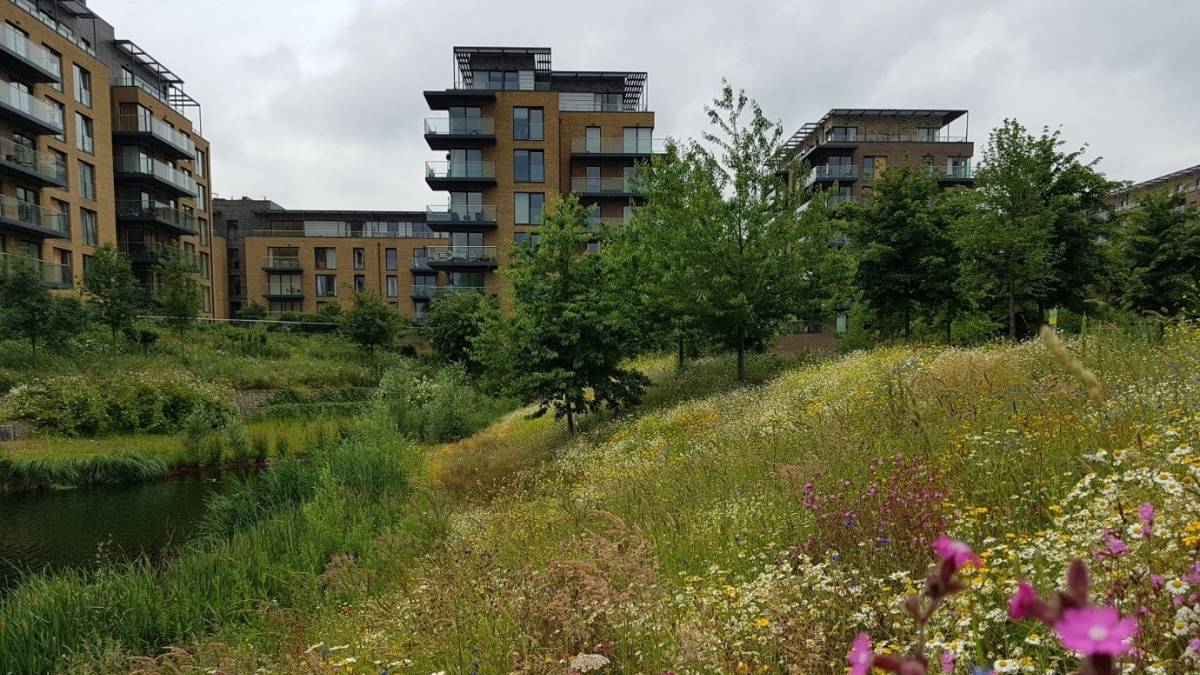
For many years, utility companies, housing developers, municipal planning authorities, and other organizations have used Biodiversity Net Gain to show how developments have positive biodiversity consequences. From 2024, developers will be legally required to consider the environmental effect of their projects and ensure that biodiversity is left in a better shape than before.
They will be required by law to provide documentation of their actions to maintain, safeguard, improve, or mitigate any habitats on the property. This could involve the gradually augmentation of ecological features and natural habitats beyond the initial one on the site. We examine this in more detail below.
What is biodiversity?
The term “biodiversity” describes an area’s current ecosystem, which could be harmed or impacted by planned or desired developments. Biodiversity is becoming one of the most significant factors to consider in any new development as the need to safeguard crucial habitats and the environment grows.
Biodiversity Net Gain
An intervention that leads to a net increase in biodiversity for a specific land area is called “Biodiversity Net Gain.” An intervention is any human-caused influence that modifies the kind or state of a habitat. Interventions can take the form of developing land or altering its management.
What does a Biodiversity Net Gain assessment entail?
An evaluation of Biodiversity Net Gain contrasts baseline conditions with post-development plans. If the post-development plans result in a net benefit to a site’s biodiversity, then a site has accomplished a Biodiversity Net Gain. Here are the steps to determine the net gain or loss of biodiversity:
- A field survey: The purpose of the field survey is to gather information on pre-development habitat.
- Post-development habitat data is defined with the landscaping plans.
- A biodiversity measure transforms habitat data from pre- and post-development periods into “biodiversity units.” Extra biodiversity units can be incorporated into post-development data using biodiversity credits or offsite compensation.
- The difference between the habitat data collected before and after development is used to compute the Biodiversity Net Gain or loss. It is commonly presented as a percentage.
What is the essence of Biodiversity Net Gain?
The idea behind the good practice principles for Biodiversity Net Gain is to leave a site’s biodiversity in a better shape than when it was. This was an optional obligation until the UK government approved the Environment Act in 2021. This Act of Parliament stipulates that every new development requesting planning clearance must guarantee a minimum 10% improvement in the site’s biodiversity value.
Consultation with the planning authorities is crucial early on in the process. This will give researchers more time to develop a way to boost biodiversity by at least 10%. Remember that this increase might not be appropriate for a development site. Therefore, developers will have to rely on offsite mitigation methods or changing designs to get planning clearance for their plans.
Landowners can profit from this new regulation, as developers have more options because the obligatory principles of biodiversity net gain does not stipulate that biodiversity value must rise on the same geographical site.
Conclusion
From 2024, it is anticipated that Biodiversity Net Gain will become legal, which means that landowners and developers will need to carefully consider a site’s biodiversity value and how planned developments may impact it.