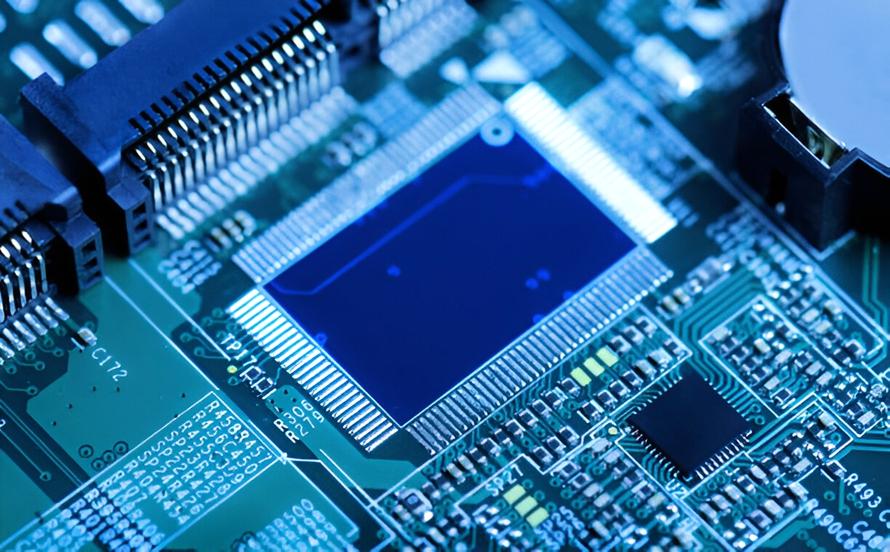
Medical PCB assembly is at the heart of modern healthcare technology. Printed circuit boards used in medical devices must meet the highest standards of precision, reliability, and safety because they are directly involved in patient diagnosis, treatment, and monitoring. From imaging systems and pacemakers to portable diagnostic tools, medical PCB assemblies ensure these devices function with accuracy and consistency.
Unlike standard electronics, medical PCB assembly involves strict adherence to regulatory requirements such as ISO 13485 and IPC Class 3 standards. These boards are engineered with advanced materials, biocompatibility considerations, and highly reliable designs to withstand rigorous usage in medical environments.
Importance of Medical PCB Assembly in Healthcare
The significance of medical PCB assembly lies in its role in saving lives and improving healthcare delivery. Devices used in hospitals, clinics, and even home care depend on precise electronic circuits to operate efficiently. A failure in a medical PCB can compromise patient safety, delay treatments, or lead to inaccurate results.
High-reliability PCB assemblies are particularly crucial for life-support systems such as defibrillators, ventilators, and implantable devices. Even diagnostic equipment like MRI machines and blood analyzers require PCBs capable of handling high-frequency signals, thermal variations, and continuous use without error.
Features of Medical PCB Assembly
Medical PCB assemblies are distinguished by several key features that ensure performance and durability. Many boards use advanced materials such as polyimide or ceramic substrates to withstand sterilization processes and harsh operating environments. Multilayer designs are common, providing the ability to handle complex circuits in compact medical devices.
Miniaturization is another hallmark of medical PCB assembly. As healthcare moves toward wearable and portable devices, PCBs must deliver more functions in smaller form factors without compromising quality. Special coatings and surface finishes protect against corrosion and ensure long-lasting performance, even when exposed to moisture or bodily fluids.
Applications of Medical PCB Assembly
The applications of medical PCB assembly are vast and diverse. In imaging technology, PCBs are used in X-ray machines, CT scanners, and ultrasound equipment to process signals and produce accurate diagnostic images. In therapeutic devices, PCBs support infusion pumps, pacemakers, and cochlear implants, where reliability is critical for patient health.
Wearable medical devices, such as glucose monitors and heart rate trackers, depend on miniaturized PCB assemblies to provide continuous monitoring and data transmission. In laboratory equipment, PCBs power analyzers, centrifuges, and robotic systems that streamline medical testing and research.
Challenges in Medical PCB Assembly
Medical PCB assembly is not without challenges. Stringent quality control is essential because even the smallest defect can compromise patient safety. Achieving miniaturization while maintaining high reliability is a constant challenge as medical devices continue to shrink in size but expand in functionality.
Another challenge is compliance with healthcare regulations. Manufacturers must ensure that every step of the process, from material sourcing to final assembly, meets international medical standards. Testing is also more rigorous than in many other industries, with extensive electrical, functional, and environmental assessments required before a product can be approved for use.
Future of Medical PCB Assembly
The future of medical PCB assembly is closely tied to technological advancements in healthcare. The growth of telemedicine, wearable health monitors, and personalized medicine will increase demand for innovative PCB solutions. Flexible and rigid-flex PCBs will become more common, allowing for compact and adaptable medical devices.
Artificial intelligence and automation are expected to play a larger role in assembly processes, ensuring greater precision and consistency. Additionally, new materials designed for biocompatibility and advanced sterilization methods will further enhance the performance and safety of medical PCBs.
Conclusion
Medical PCB assembly is a cornerstone of healthcare technology, enabling the development of reliable, accurate, and innovative medical devices. Its importance in patient care and diagnosis underscores the need for precision manufacturing, strict compliance, and advanced design.
For healthcare technology companies seeking dependable solutions, partnering with experienced PCB assembly China providers ensures access to high-quality medical PCB assembly services that meet global standards of safety and performance.