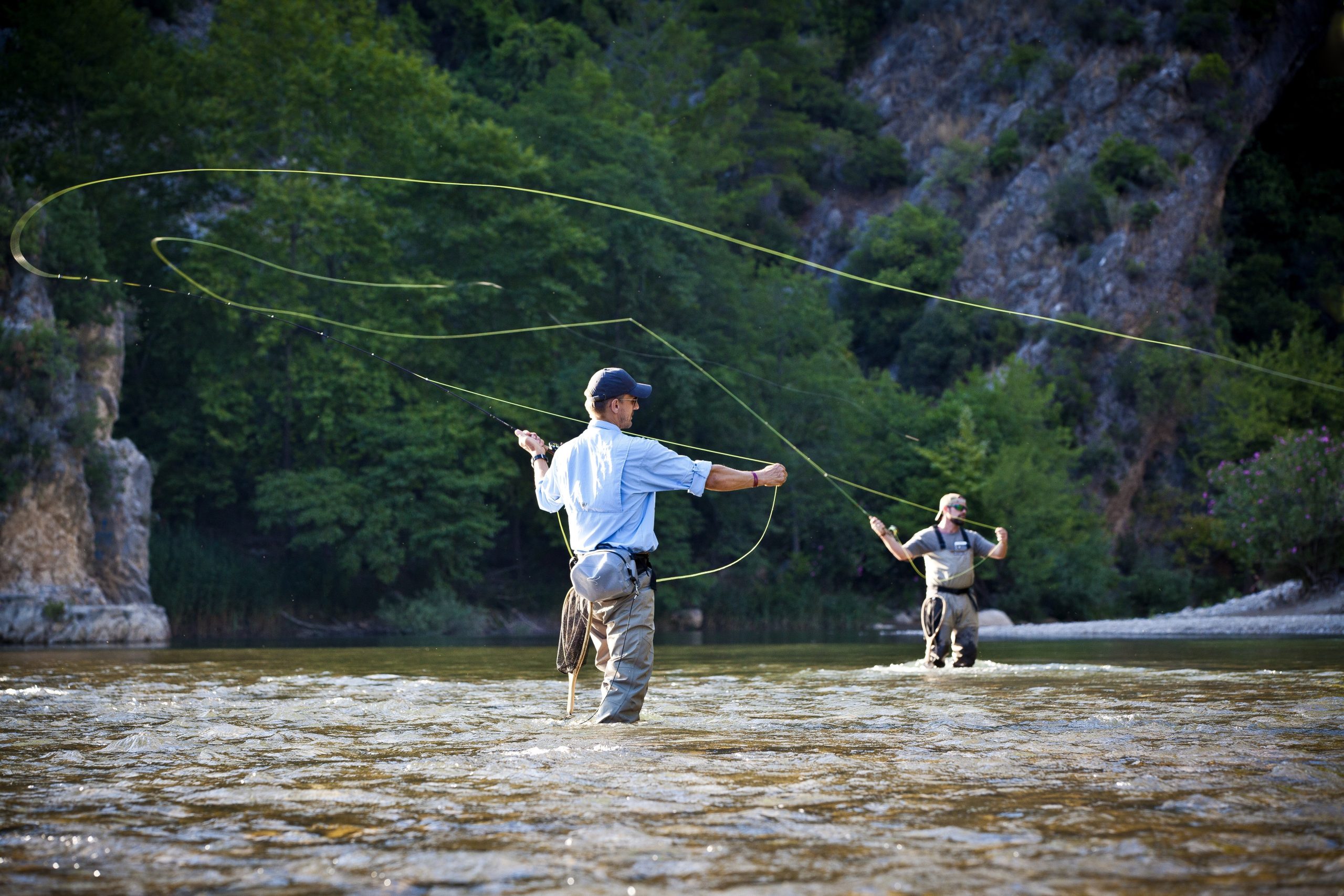
Between work, phones, and streaming, many of us spend most of our waking hours looking at a screen. It’s no surprise that hobbies that get people outside and focused on something hands-on are gaining attention. Fly fishing is one of them. It can look intimidating from the outside, and it takes real practice to get comfortable. But for many people, the challenge is part of what makes it so fulfilling.
If you’re curious, you don’t have to figure it out alone. Trident Fly Fishing offers resources for beginners, from guides that explain flies to advice on choosing beginner gear. Its YouTube channel also has videos on getting started and on fly tying, so you can browse at your own pace.
Why Fly Fishing Appeals to Beginners
Fly fishing asks for your attention in a way that’s hard to do while scrolling. You’re reading the water, watching for insects, and concentrating on your cast. For many people, a few hours by a river or pond is a welcome break from daily routines, whether or not a fish ever shows up. It also works at any pace, so you can head out alone for a quiet afternoon or bring a friend or family member along.
How It Differs From Other Fishing
In most types of fishing, the weight of the lure carries the line out. Fly fishing works the other way around. The fly is almost weightless, so you cast the line itself, using a smooth back-and-forth motion to carry the fly to the water. That’s why casting feels unusual at first, and why a little practice goes a long way.
The Basic Gear
You don’t need a lot to start. A beginner setup generally includes a rod and reel, fly line, a leader and tippet, and a few flies. A lightweight 4- or 5-weight rod with a matching reel is a common starting point, paired with a weight-forward floating line. The leader is a thin, usually tapered length of line attached to the fly line. Tippet is an even finer section you can add to the end, where you tie on the fly.
Understanding Flies
Flies are designed to imitate what fish eat. For trout fishing, four common categories are nymphs, wet flies and emergers, dry flies, and streamers. Nymphs sit below the surface and imitate immature aquatic insects. Dry flies float on top. And streamers imitate small baitfish and other swimming prey. You don’t need to memorize them on day one. It’s enough to know that the right fly depends on what the fish are eating.
Learning to Cast
Begin on dry land. Practice on a lawn with a short length of line and a bit of yarn tied to the end instead of a hook. Focus on a smooth motion with a brief pause at the end of each stroke so the line can straighten before you change direction. Don’t worry about distance or accuracy yet.
Planning Your First Outing
Keep the first trip simple. Panfish like bluegill are common in many areas and tend to bite readily, which makes them a good choice while you’re still learning. Local fishing regulations and license requirements vary by location, so confirm them before you go. If you plan to wade, choose shallow, slow water with firm footing, wear a properly fitted life jacket and footwear with good traction, and avoid strong currents. You can also start by fishing from the bank.
A Hobby You Can Grow Into
Fly fishing has a learning curve, but you can take it at your own pace. The first few outings will likely include tangled line and awkward casts, but that’s part of the process. Start with the basics, spend some time on the water, and add skills as your interest grows. The goal for a first outing isn’t to catch the most fish. It’s to enjoy being outside and want to go back.