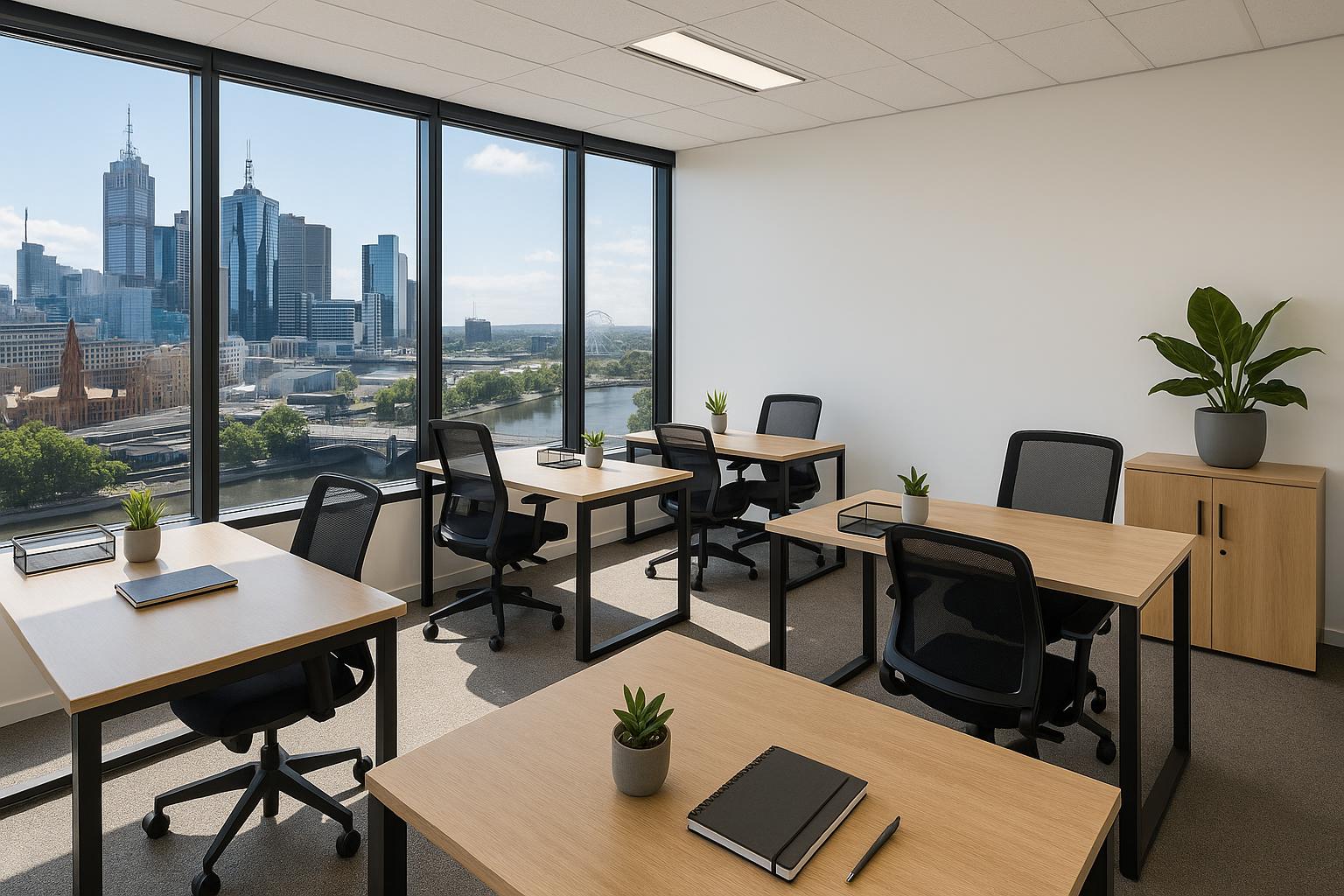
Work habits have undergone significant changes. Teams now want spaces that help them start fast, stay focused, and shift plans without stress. In Australia, cities like Melbourne have seen an increase in teams opting for shorter leases and flexible layouts.
In this blog, we will talk about why that shift makes sense. We will look at how serviced offices support daily work, team growth, and long-term goals. We’ll explore setup ease, cost control, privacy, and location perks, all explained clearly and practically..
How Serviced Offices Support Modern Team Needs
Teams do better when the space works with them, not against them. A serviced office removes many roadblocks that slow teams down and replaces them with simple systems that support real work.
A Ready-to-Use Setup from Day One
Time matters when a team starts work in a new space. A serviced office removes the long wait that comes with setting up a traditional office. Desks, chairs, fast internet, power, and meeting rooms are ready when you walk in. There is no need to wait weeks for fitouts or chase vendors.
This ready setup helps teams stay focused on tasks that bring value, where new hires settle in faster, and project teams start work without delay. For teams that move at a quick pace, this kind of space feels practical rather than rushed.
It also removes guesswork. You know what the space includes and how it functions from day one. Teams avoid last-minute fixes and daily distractions tied to setup gaps. This sense of order helps teams start strong and keep their momentum steady.
Cost Control Without Long-Term Lock-Ins
Managing costs is a daily task for most teams. Fixed leases can add pressure, especially when plans change. A serviced office uses a clear monthly fee, which makes planning easier. You know what you pay and what you get.
This model avoids high upfront costs. There is no need to spend on furniture, wiring, or repairs. Many teams prefer this approach because it keeps budgets steady. It also leaves room to spend more on people and tools, not walls and wiring.
This structure also helps teams plan more calmly. Sudden repairs or service gaps do not become budget shocks. For finance leads, that clarity makes reporting and forecasting less stressful. Over time, this steady cost flow supports smarter decisions across the team.
Designed for Team Focus and Privacy
Focus often decides how well a team performs. Open areas can feel lively, but they also bring noise and breaks in thought. Private offices give teams a calmer setting where work flows better.
This is where serviced office rental fits teams that want structure without heavy rules. You get a private space for calls, planning, and deep work, while shared areas stay close by. The balance feels natural. Teams talk when they need to, then return to quiet work without friction.
Privacy also helps foster trust within teams. Sensitive talks stay contained. Reviews and planning sessions feel more relaxed. This sense of control over the space supports better work habits and clearer communication.
Professional Facilities That Support Daily Work
Daily work involves more than desks and screens. Teams meet clients, hold reviews, and run training sessions. A serviced office typically features meeting rooms that are professionally designed and well-equipped.
Front desk staff greet guests and handle deliveries. Cleaning teams keep the space neat. These small details save time and keep workdays smooth. You do not need to manage each task on your own. The space handles it in the background.
This support matters more than it seems. When teams do not stop work to solve space issues, they stay focused longer, meetings start on time, and visitors feel welcome. The overall workday feels calmer and more predictable.
Locations That Work for Teams and Clients
Location influences how teams perceive their work. Central business areas shorten travel time and improve access. Team members reach the office with less effort, and clients find it easy to visit. A strong address also adds trust. Clients feel more confident meeting in a well-known business area. For teams that meet partners often, this can shape first impressions in a quiet but real way.
Being close to transport, dining spots, and services also helps teams manage long workdays better with easier short breaks and closer after-work plans. These small lifestyle details influence morale more than many teams expect.
Scales With Teams as They Grow or Shift
Team size rarely stays the same. Some months call for growth; others need lean setups. A serviced office adjusts without major hassle. You can add desks, move to a larger office, or scale down when plans change. This flexibility suits teams that work on projects or handle seasonal demand. It also helps firms test new markets. The space adapts to the team, not the other way around.
This ease reduces risk. Teams do not overcommit when plans are still forming. Leaders can test new directions without locking into space that may not fit later.
Work Environment That Affects Morale
The way a space looks and feels shapes how people work. Clean design, good light, and quiet corners help teams stay calm and alert. Shared lounges give space for short chats and breaks. These moments are important. A short break in a well-designed space can reset focus. Teams often feel more settled in a space that looks cared for. This comfort shows in how they work and interact.
Over time, this sense of ease supports better energy levels. Teams feel less drained at the end of the day. That steady morale helps reduce burnout and keeps work quality high.
Conclusion
Work will continue to evolve, and teams will continue to ask more from their spaces. A serviced office rental meets those needs by offering flexibility, focus, and support without added strain. As teams rethink how and where they work, choosing a space that adjusts to them makes sense. The right office does not just hold desks. It supports people, plans, and progress in ways that last.