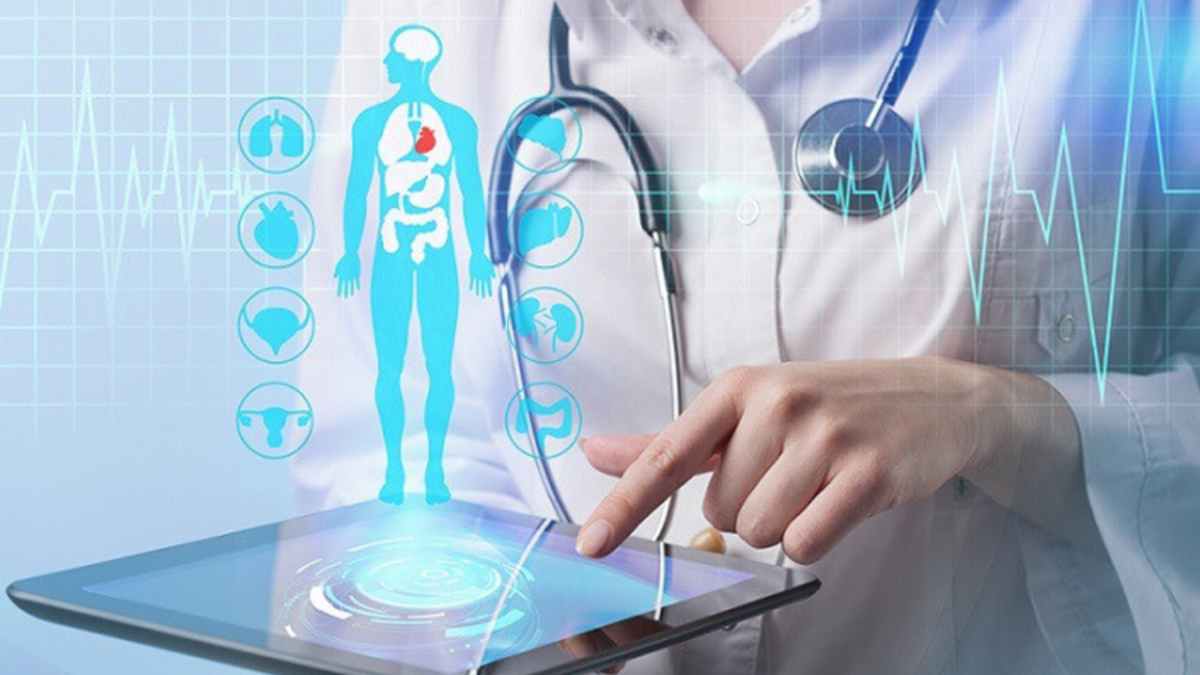
In the era of rapid technological evolution, no sector remains untouched, and healthcare is no exception. Innovative medical supplies, such as smart devices and remote monitoring equipment, are changing the landscape of healthcare delivery and dramatically improving patient outcomes.
The Dawn of Technological Advancements in Healthcare
Historically, healthcare has always been one of the last sectors to adopt technology due to the complex and sensitive nature of its operations. However, with the advent of ground-breaking technological advancements, this scenario is rapidly changing. From the digitization of medical records to telemedicine and AI diagnostics, technology is transforming patient care and making healthcare more accessible and effective.
Digital Health Records
One of the first significant shifts in healthcare technology was the digitization of health records. Electronic Health Records (EHRs) have eliminated the need for paper-based records, enabling clinicians to access, share and analyse patient data more efficiently. This digital transformation has improved the accuracy of diagnoses, reduced medical errors, and streamlined administrative tasks, allowing healthcare providers to focus more on patient care.
Telemedicine
With the advent of telemedicine, healthcare has transcended the physical boundaries of hospitals and clinics. Patients can now consult with healthcare professionals from the comfort of their homes. This technology was particularly beneficial during the COVID-19 pandemic, as it reduced the risk of virus transmission and ensured continuity of care.
The Revolution of Smart Devices and Remote Monitoring Equipment
Smart devices and remote monitoring equipment are at the forefront of technological innovations in healthcare. These tools are reshaping patient care, leading to improved treatment outcomes, and empowering patients to take charge of their health.
Wearable Technology
Wearable devices such as smartwatches and fitness trackers are changing the way we monitor our health. These devices track vital signs like heart rate, blood pressure, and sleep patterns, providing valuable data for preventive care and early detection of health issues. They also support personalized medicine, as they offer insights into a patient’s unique physiological responses.
Remote Patient Monitoring
Remote patient monitoring (RPM) is another technological breakthrough that’s revolutionizing patient care. Using digital technologies to collect medical data from individuals in one location and electronically transmit it to healthcare providers in a different location means that RPM provides real-time monitoring and timely interventions, reducing hospital readmissions and improving patient outcomes.
The Role of Artificial Intelligence (AI) in Healthcare
Artificial intelligence (AI) is playing a transformative role in healthcare. From diagnostics to treatment planning and patient monitoring, AI has the potential to revolutionize all aspects of patient care.
AI in Diagnostics
AI-powered diagnostic tools are capable of analysing vast amounts of data to detect patterns that might be overlooked by human eyes. For instance, AI algorithms are being used to analyse radiology images to detect early signs of diseases like cancer. This has the potential to dramatically improve early detection rates, thereby increasing the chances of successful treatment.
AI in Treatment Planning
AI is also helping healthcare providers to develop personalized treatment plans. Analysing patient data and medical literature allows AI to identify the most effective treatment options for individual patients. This personalized approach to treatment can improve recovery rates and reduce healthcare costs.
The Future of Technology in Healthcare
As we look to the future, it’s clear that technology will continue to play a pivotal role in healthcare. With advancements like virtual reality for pain management, 3D printing for prosthetics, and nanotechnology for targeted drug delivery, the possibilities are endless.
Virtual Reality
Virtual reality (VR) is emerging as a powerful tool for pain management. Immersing patients in a virtual world means VR can distract them from their pain, reducing their reliance on painkillers and potentially mitigating an opioid crisis. VR is also being used for physical and psychological therapy, helping patients to overcome phobias or recover motor functions after a stroke.
3D Printing
The advent of 3D printing in healthcare has brought about a revolution in the production of prosthetics and implants. With 3D printing, prosthetics can be custom designed to fit the patient’s body perfectly, improving comfort and functionality. This technology has the potential to make prosthetics and other medical equipment more accessible and affordable.
Nanotechnology
Nanotechnology, which involves the manipulation of materials on an atomic or molecular scale, holds immense promise in healthcare. From targeted drug delivery systems that can direct medicine to specific cells, to nanobots that can perform microscopic surgery, nanotechnology could significantly improve treatment outcomes and reduce side effects.
Overcoming Challenges to Implement Technology in Healthcare
Despite the many advantages of technology in healthcare, there are also challenges that need to be addressed. These include issues related to data privacy and security, the digital divide, and the need for regulatory frameworks that can keep up with the pace of innovation.
Data Privacy and Security
With the increased digitization of health data comes the risk of data breaches and unauthorized access to sensitive information. It’s essential for healthcare organizations to invest in robust cybersecurity measures to protect patient data and maintain public trust.
The Digital Divide
While technology can make healthcare more accessible for many, it can also exacerbate health disparities if not implemented thoughtfully. Not everyone has access to high-speed internet or the latest smart devices, which could limit their access to telemedicine and digital health resources. Addressing this digital divide is crucial to ensure that the benefits of technology in healthcare are shared equitably.
Regulatory Challenges
Regulating rapidly advancing technologies is another significant challenge. Regulatory frameworks need to balance the need for innovation with the need to ensure patient safety and data privacy. Furthermore, as AI and other technologies become more integral to healthcare, questions about accountability and ethical use of these tools will become increasingly important.
Conclusion
Technological advancements are transforming healthcare, improving patient outcomes, and making healthcare more accessible and efficient. From the digitization of health records to the use of AI in diagnostics and treatment planning, technology is reshaping patient care in ways we could only dream of a few decades ago.