


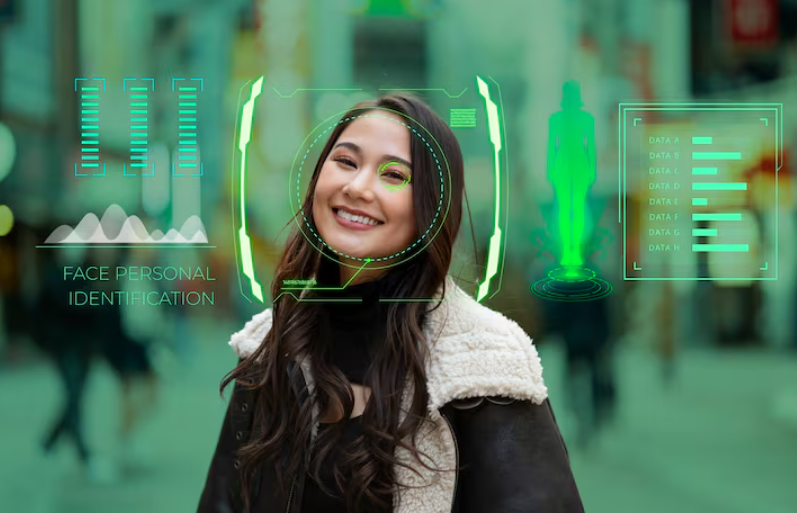
Have you ever looked at a website or an app and felt something was off with the pictures?
Maybe the faces looked too smooth, or the background looked artificial?
When people spend time on a page, they connect with the visual feel as much as the words. That is why image authenticity matters. In today’s online life, visuals carry a strong influence on how people feel about a brand, product, or idea.
Every time a user lands on a site, reads a blog, scrolls through an app, or watches a story, their experience depends on trust and clarity. When images are real, natural, and believable, users feel comfortable. They feel that the brand cares about quality and truth.
But when images look strange or too artificial, even if the rest of the content is good, the experience can feel incomplete.
In this article, we will talk in a clear and simple way about how image authenticity affects user experience and user retention, how publishers and creators check image quality, and how tools like an AI image detector, help teams make sure visuals feel real and meaningful.
Why Visuals Matter In User Experience
Imagine reading an article about street food and seeing pictures that look bright, lively, and real. You feel closer to the topic. You can almost taste the food in your mind. Now imagine the opposite: blurry images, photos that look too staged, or photos that seem like they were generated without a real moment behind them. The connection simply does not happen.
What Does Image Authenticity Really Mean
Image authenticity means that the images used in content are genuine, truthful, and fit naturally with what is being discussed. Authentic images reflect real moments, real people, and real environments. They match the topic accurately. They do not look overly edited or unnaturally smooth.
When images are authentic, users do not pause and think, “Is this real?” Instead, users simply accept and enjoy the visual information. That comfort improves the overall feel of the content.
In contrast, when visuals look off, users may question the credibility of the entire page. Our brains are wired to notice subtle irregularities, even if we do not consciously name them. That is why publishers and marketers give extra attention to authentic visuals.
How Image Authenticity Affects User Experience
User experience is about how visitors feel when they interact with your site or app. It includes how easy it is to understand the content, how enjoyable the layout feels, and how quickly users can find what they need. Visuals play a central role in this experience.
When authentic images are used:
- Users feel at ease because the visuals match the story
- Information becomes easier to understand and relate to
- Users are more likely to spend time on the page
- Users feel the brand respects clarity and truth
How Visual Authenticity Influences Retention
User retention means how often users come back to your site or app. When users have a positive first experience, they are more likely to return. Visuals have a big role in building this first impression.
When images feel real and natural, users feel that the content is reliable. They are more likely to trust the brand and come back for more. Over time, this builds a loyal audience.
But if the images look too polished, overly edited, or artificial, a reader may feel that the content is less trustworthy. This feeling can quietly reduce interest. Users may still read the words, but their sense of connection becomes weaker.
That is why many brands and publishers pay attention to image authenticity as part of their strategy to increase retention. It is not just about visuals. It is about building connection and trust through every element of content.
How Publishers And Creators Check Visual Quality
Creators and publishers spend time reviewing every visual before publishing. They make sure that each image:
- Matches the topic
- Looks natural in color, lighting, and composition
- Shows real scenes and elements that relate to the article
- Does not confuse or mislead the viewer
These checks are done by human editors who look at every visual carefully. In addition, many publishers use tools that help detect whether an image appears artificially generated or overly edited.
This is where tools like an AI image detector become useful. These tools help teams screen visuals and see if there are signs of artificial manipulation or generation. By checking images early, teams can decide if an image needs replacement, editing, or better alignment with the topic.
How Tools Help In The Review Process
When a visual is uploaded to a publishing platform, the editor first looks at it intuitively. They ask questions like:
- Does this image match the message?
- Does it feel natural and clear?
- Does it look too smooth or stylized?
After this initial review, the editor can run the image through detection tools. Tools like an AI image detector provide a technical check that supports the human review.
Using such tools, teams can confirm whether the visual looks original or if it shows patterns that might indicate artificial creation. This helps editors make more confident decisions.
Why Users Respond Positively To Authentic Visuals
Users respond positively to visuals that resonate with their own experiences. When they see images that reflect real moments, they feel understood. They feel like the content was created for them.
This emotional response is important. When users enjoy the feel of a page, they spend more time reading and exploring. They may share the content with others. They may bookmark the page for later. These reactions are part of user retention.
Good visuals also help users process information faster. The brain understands pictures quickly, and when the image matches the text, the whole message becomes clearer. This makes the reading experience smoother and more pleasurable.
When readers feel comfortable, they naturally come back to the site for more content.
Visual Authenticity And Brand Trust
Brand trust is one of the most important outcomes of authentic visuals. When a user feels that images are real and honest, they subconsciously begin to trust the brand more. This trust extends beyond a single page. It affects the way users think about all content coming from that publisher.
If a brand consistently uses clear, meaningful visuals, users start to feel familiarity. Familiarity builds comfort. Comfort builds loyalty. Loyal users become repeat visitors who remember the brand and choose it over others.
Visual authenticity becomes a part of the brand identity, helping to shape how users remember the experience.
Final Thoughts
Image authenticity plays a central role in user experience and retention because visuals help shape how users feel, understand, and connect with content. When publishers and creators choose natural, genuine visuals and use tools like an AI image detector to support their review process, they build stronger trust with users. This leads to longer engagement, deeper connection, and a lasting relationship between the audience and the brand. Visuals, when handled with care and thought, help users feel welcome, understood, and ready to return for more.