


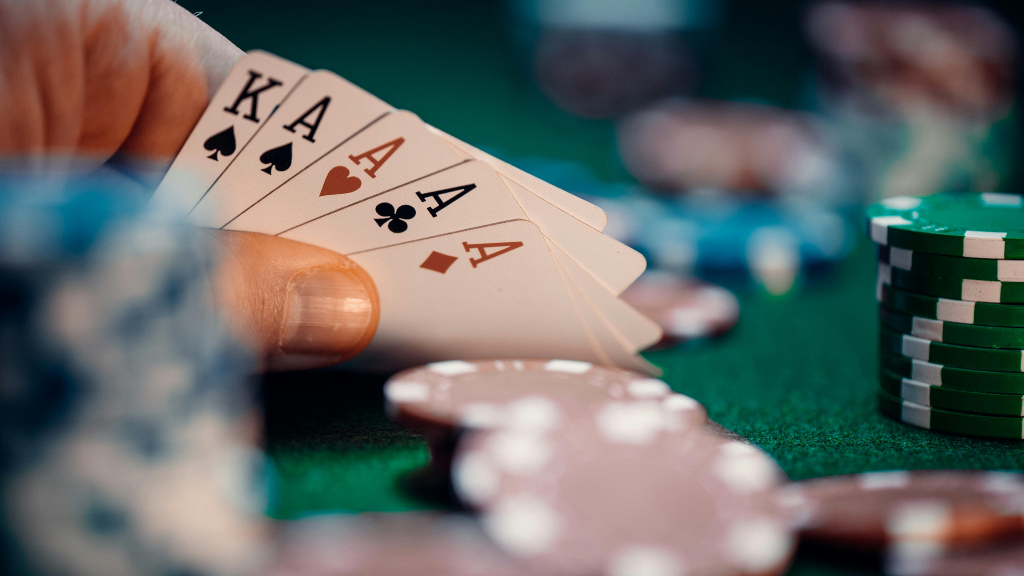
Online poker has become part of the wider shift from the cardroom to the phone screen. The UK Gambling Commission reported £16.8 billion in gross gambling yield across Great Britain’s customer-facing gambling industry from April 2024 to March 2025, with online gambling making up £7.8 billion. The American Gaming Association also reported record U.S. commercial gaming revenue of $72.04 billion in 2024. The screen has changed. The core poker lesson has stayed the same: learn the rules before your confidence starts writing cheques.
For adults who want the full online poker experience, Betway offers digital access to poker through a casino site format that brings cards, betting rounds, live-style play, and account tools into one place. That can suit beginners because the game sits inside a guided screen, with buttons showing the available actions. It still asks for patience. Poker rewards players who understand hands, position, bet sizing, and risk before chasing a pot with two hopeful cards and the energy of a man buying gym equipment in January.
Start With the Game You’re Actually Playing
Poker covers several formats, so beginners should check the version before sitting down. Britannica breaks poker into main branches such as draw, stud, and community-card games. Texas hold’em sits in the community-card group, where players combine private cards with shared cards on the table. That version has become the one most new players recognise from TV, apps, and online rooms.
In Texas hold’em, each player receives two private cards. Five shared cards can appear in the middle by the end of the hand. Players make the best five-card hand from those seven cards. Britannica’s guide to Texas hold’em explains that structure clearly. The betting rounds come before and after shared cards appear, so the game tests judgement before every player has complete information.
Learn the Hand Rankings First
A beginner should learn hand rankings before worrying about bluffs. The usual order runs from high card, one pair, two pair, three of a kind, straight, flush, full house, four of a kind, straight flush, and royal flush. Britannica’s poker hand ranking guide sets out that order for standard poker hands. Keep a chart open during early sessions. Nobody gets a prize for pretending they were born knowing whether a flush beats a straight.
The next step involves reading the board. If four hearts appear among the shared cards, someone may have a flush. If the board shows connected cards, someone may have a straight. Beginners often stare only at their own pair and miss the larger danger on screen. Poker asks you to read your hand and the shared cards together.
Understand Position Before You Get Clever
Position means where you act in the betting order. Acting later gives more information because other players have already checked, bet, called, or folded. Acting early gives less information, so weaker hands can cause trouble faster. This idea can feel boring at first, then it starts saving money.
Strong players usually play fewer hands from early position and more hands from later position. Beginners can copy that basic idea without turning the night into a spreadsheet. Fold more weak hands when many players still need to act. Open up a little when fewer players remain behind you. Poker becomes easier when you stop volunteering for hard decisions.
Keep Starting Hands Sensible
The two private cards set the tone. Strong starting hands include high pairs, strong aces, and connected high cards. Weak starting hands often create second-best hands, which cause more damage than obvious rubbish. A hand like king-seven can look playable to a beginner because it contains a king. It can also walk you into a better king and leave you paying to learn.
Online poker moves fast, so patience becomes a real skill. Folding for ten minutes can feel like unpaid admin. It also protects your stack. Players who treat every hand like a personal invitation usually learn the price of boredom. Good poker often starts with doing very little and feeling mildly virtuous about it.
Manage Money Before the First Hand
A poker bankroll means the money set aside for poker only. It should never come from rent, bills, food money, or a savings account. That line should stay firm. Poker has luck in the short run, even when a player makes good decisions, so beginners need stakes small enough to handle losing sessions.
Set a session limit before play starts. Also set a time limit. GamCare recommends tools such as limit setting, breaks, and self-exclusion for safer gambling. Those tools help because online play can blur time. One more hand can become twenty, especially after a bad beat and a small sulk.
Know What the Buttons Mean
Online poker buttons look simple, but they shape decisions. Check means stay in the hand without betting when no one has bet yet. Bet means put chips in first. Call means match another player’s bet. Raise means increase the price. Fold means give up the hand. All-in means put every remaining chip into the pot.
Beginners should avoid using auto-action buttons too often. They save time, but they can also make play careless. Take a few seconds before each decision. Ask what hand you represent, what better hands may exist, and what worse hands can call. That sounds grand, but it beats clicking because the button looked lonely.
Bluff Less Than You Think
Bluffing gets too much attention because films need drama. Real beginner poker improves faster through solid starting hands, clear folding, and sensible bets. A bluff can work when the story makes sense. If a player has acted weakly all hand, then suddenly makes a huge bet on a scary card, better players may call because the tale has a fishy odour.
Small bluffs can still have a place. A continuation bet after raising before the flop can win when opponents miss the board. Even then, beginners should choose spots carefully. Bluffing into several players usually goes badly because someone may have connected with the board. One opponent gives a bluff a cleaner chance.