


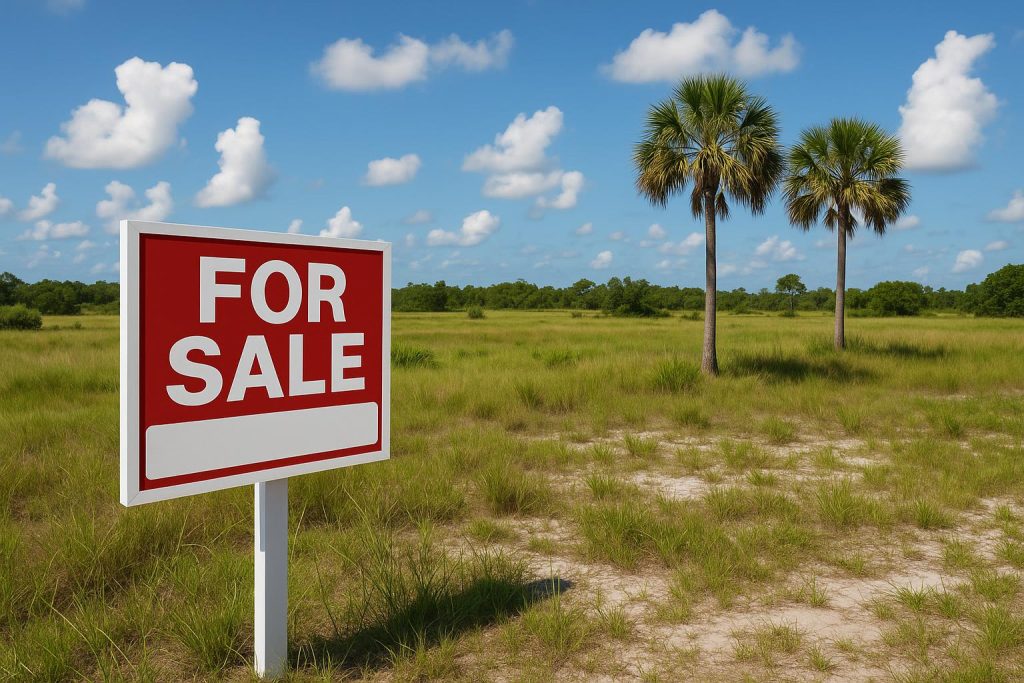
Buying land in Florida can be thrilling, particularly when you have future plans of developing it. There are different types of lands in Florida, but the fact that they may be listed at low prices doesn’t necessarily mean that you have landed the best deal. When finding an Affordable Land For Sale Florida, don’t just consider the price. Consider the purpose of buying it, too.
Why Florida Land Attracts Buyers
Despite the stagnant job market in the country, Florida continues to be a growing market for investors. According to the U.S. Census Bureau, Florida’s population reached a new high on July 1, 2025, at 23,462,518. This population growth explains why the state continues to gain more attention from property investors.
Finding the Best Opportunities for Buying Land
The following are ways to find the most ideal land to buy:
Look Beyond the Asking Price
Some properties may seem cheap due to scant access to roadway, challenging building sites, zoning limitations, or other factors. So, before you get excited about a listing, don’t just determine whether it has legal access. Check local rules and regulations, too, to see if you are allowed to develop the property. Buyers should consider the asking price as a negotiation starting point and not the total expense to access and operate the land.
Asking important questions can assist you in identifying any apparent issues before you start an in-depth review that will end up costing you money. Some of the questions you can ask are;
- Is there a public road which provides legal access to the property?
- Does the planned use fall within the zoning or need a license?
- Are any restrictions or environmental concerns known?
Choose the Right Location
Developing communities (road, utility, school, retail, or job center) located near a more expensive lot can be more convenient than a less expensive one located in an isolated place. By looking at the overall terms of a lot and combining them with its valuation and intended use, experts at Discount Lots can help you avoid seemingly great offers on lots that hold the potential to be problematic.
Check These Details before Making an Offer
Ideally, the very best land becomes visible after an intensive property check. Such checks can uncover expenses or restrictions that cannot be easily seen from an online listing. State records of title and other local government access points can offer valuable information.
Understand Zoning Before You Buy
A planning ordinance (zoning) will identify all the uses the municipality permits on a property. Those looking to get a house built must check factors, like zoning, minimum size, setbacks, building codes, and restrictions on purchases. Florida property guidance also understands the effect legal changes, such as zoning enactments, flood zone changes, environmental regulations, and more, can have on the property’s worth.
Pay Close Attention to Flood Risk
In Florida, it is especially important to consider flood risk because of the possibility of flooding issues on some lots. Look at current flood maps and ask the local authority if you may need to install extra drainage or do anything else that makes it safer. Although houses may line up at neighboring lots, most of them may be quite different and should not be assumed safe.
Do Your Due Diligence
Check the title, survey, taxes, zoning, restrictions, access, and other valuable records prior to closing. If you have questions that you can’t answer about the property, consider hiring professionals like a real estate attorney, surveyor, or any knowledgeable local professional. Taking time on this could help you avoid buying a property that you think you’ve been drawn in by the pictures you saw online, but really do not meet your needs. It also provides a great insight into your budget, time, and approvals that may be required.
Negotiate With Facts
The key to a great negotiation is information, not assumptions. Deed restrictions, utility costs, zoning restrictions, and other valid factors will all come into play when negotiating the terms and price of a property. When buying land for an existing community, ensure you set enough funds aside to cover closing costs, surveys, inspections, and permits.
The bottom line is that it takes time, research, and an understanding of what you are looking for in the land you’re considering. With patience, you can also find the right land in Florida that can meet your needs. A lot with a low price is not always the best. But what will fit your plans, is within your budget. By researching location, zoning, access, flood risk, and utilities, you will not just be in a better position to make informed decisions. You will also proceed with a surer stride. An investment made with due diligence can make a vacant piece of land a beneficial long-term holding.