


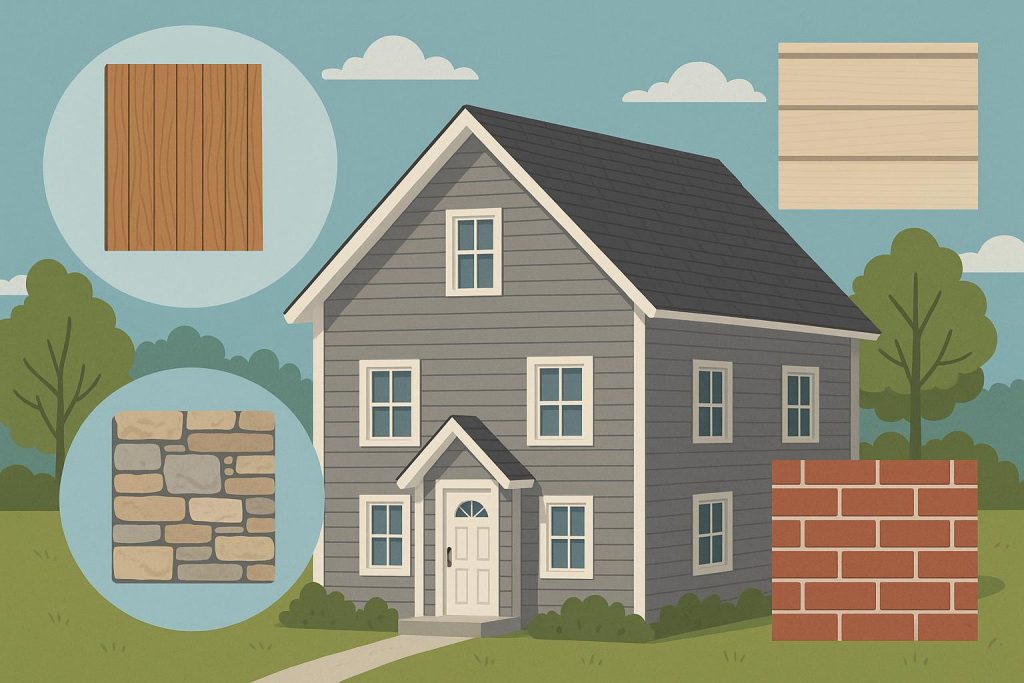
When it comes to home improvement, one of the most impactful decisions homeowners face is choosing the right siding for their property. Not only does it enhance the aesthetic appeal of the home, but it also plays a crucial role in weatherproofing, insulation, and overall longevity. With various materials available, understanding the advantages and disadvantages of each will help you make an informed decision that suits your needs, budget, and style preferences.
For homeowners planning a broader exterior refresh, it is also worth thinking about how surfaces, boundaries and entrances work together. Durable materials, clear access points and carefully chosen finishes can improve kerb appeal while keeping maintenance manageable over the long term.
In this guide, we will explore several popular siding options, including one you may not have considered; composite cladding; and offer helpful tips for choosing the best one for your home.
1. Traditional Timber Cladding
Timber cladding is a classic choice that brings a natural, timeless beauty to any home. It’s available in a variety of wood types, such as cedar, oak, and pine, each offering its own unique grain and colour. Timber also provides excellent insulation and can be treated to resist rot, pests, and the weather.
However, timber requires ongoing maintenance. It needs to be stained or painted periodically to maintain its aesthetic appeal and to prevent weathering, which can cause cracking, splitting, or fading over time. Additionally, wood is prone to absorbing moisture, which may lead to issues like mould and mildew if not properly maintained.
Best for: Homeowners who love a rustic, organic look and are willing to invest time in maintenance.
2. Vinyl Siding
Vinyl siding has become a go-to for many homeowners because it is durable, low-maintenance, and available in a wide range of colours and styles. Made from PVC, it is resistant to weathering, fading, and insects, making it an excellent option for homes in regions with harsh weather conditions.
One of the primary benefits of vinyl siding is that it requires very little upkeep; just the occasional wash with soap and water to keep it looking fresh. However, vinyl can become brittle over time, especially in areas with extreme cold, and it can be prone to cracking under impact.
Best for: Homeowners seeking a low-maintenance, cost-effective option with good durability.
3. Brick and Stone Cladding
For those who want a more permanent, traditional exterior, brick or stone cladding is an excellent choice. These materials are incredibly durable, fire-resistant, and offer a distinctive, high-end look. They also provide excellent insulation, keeping your home warm in winter and cool in summer.
The downside to brick or stone cladding is the cost. It is typically more expensive than other materials, both in terms of initial installation and long-term maintenance. While it requires very little upkeep, repairs, if necessary, can be costly and complicated.
Best for: Homeowners who are willing to invest in a premium, long-lasting exterior and prefer a traditional aesthetic.
4. Composite Cladding
An increasingly popular option for modern homes, composite cladding combines wood fibres and plastic to create a material that offers the aesthetic appeal of timber without the high maintenance demands. Available in a variety of finishes, composite cladding mimics the look of natural wood, but unlike timber, it does not require staining, painting, or sealing.
Composite cladding is resistant to moisture, pests, and rot, making it an ideal option for homes in areas prone to rain or humidity. It also tends to be more durable than traditional wood, and its colours tend to stay vibrant for longer without fading.
While composite cladding is low-maintenance, it can be more expensive than some other materials. Additionally, because it is a newer material, not all products are created equal, so it is important to choose a high-quality brand that uses sustainable manufacturing practices.
Best for: Homeowners who want the look of wood with less maintenance, as well as those prioritising sustainability and durability.
5. Metal Cladding
Metal cladding, typically made from aluminium or steel, offers a sleek, modern look for homes. It’s highly durable, resistant to fire, and can withstand extreme weather conditions. Aluminium, in particular, is lightweight and corrosion-resistant, making it a great option for coastal areas.
However, metal cladding can be prone to denting from impact, and while it is low-maintenance, it can develop rust spots if the protective coating is damaged. Additionally, metal cladding can be expensive to install, especially if you opt for high-end materials like zinc or copper.
Best for: Homeowners seeking a contemporary, industrial aesthetic and a material that can stand up to extreme weather.
6. Rendered or Pebble Dash Finish
Render or pebble dash is a popular option for homes in the UK, particularly for those built in the mid-20th century. This finish is applied over brickwork and gives the home a smooth or textured exterior, depending on the type of render used. It’s highly durable and weather-resistant, offering a low-maintenance finish that does not require painting or staining.
The main downside is that render can crack over time, especially in areas with extreme temperature fluctuations. If not properly maintained, moisture can seep into the cracks, leading to potential issues with damp or mould.
Best for: Homeowners seeking a budget-friendly, easy-to-maintain option for a wide range of architectural styles.
Final Considerations
When selecting the right siding for your home’s exterior, consider factors such as local climate, the architectural style of your property, your budget, and how much time you are willing to dedicate to maintenance. Remember, a quality siding installation can protect your home for many years, so choosing a material that combines beauty and durability will pay off in the long run.
If you are looking for a low-maintenance option that offers the timeless appeal of timber but with superior durability, composite cladding is an excellent choice. Not only will it provide long-lasting protection against the elements, but it also gives your home a contemporary, eco-friendly finish.
Take the time to research different materials, consult with professionals, and weigh the pros and cons of each. With the right siding, your home will both look great and stand the test of time.
For commercial gardens, hospitality venues and larger outdoor projects, the finishing details can be just as important as the main structure. Composite decking can provide a durable, low-maintenance surface for seating areas, paths, terraces and outdoor entertaining zones; while traditional signage can add character to entrances, garden rooms or hospitality spaces; while digital signage can help commercial venues share opening times, menus, promotions or visitor information clearly; while efficient hand dryers can support cleaner, lower-maintenance washroom facilities in public-facing outdoor settings.