


Important decisions rarely happen by accident. Deals are discussed, ideas are tested, and partnerships begin in rooms where people sit across from each other and talk things through. The setting might seem secondary, yet it quietly shapes how confident, focused, and productive everyone feels.
This blog explains what to look at before booking a space for your next session. From layout and technology to comfort and cost, each factor plays a part in helping meetings run smoothly.
What to Consider Before Booking a Meeting Room
Choosing a space involves more than checking availability. Purpose, people, and practical details all need attention before confirming a booking. When each element is considered carefully, the result is a smoother experience and better outcomes.
Define the Purpose of the Meeting
Every successful booking begins with clarity about why the gathering is happening. A strategy discussion with senior leaders calls for privacy and a quiet setting. A training workshop needs open space, clear sightlines, and room to move. Client presentations demand a polished setting that reflects professionalism.
Once the goal is clear, selecting a meeting room becomes easier. A brainstorming session might benefit from flexible seating and writable walls. A formal board meeting works best with a structured layout and minimal distractions. Lack of clarity often leads to overbooking a large space or choosing one that feels too small and restrictive.
Think about the tone as well. Internal catch-ups can be relaxed. Investor meetings usually require a more refined atmosphere. Matching the space to the meeting type helps set the right mood from the start.
Understand Capacity and Comfort
Numbers matter, but comfort matters more. Counting chairs is not enough. The spacing between seats, the size of the table, and the walking area all influence how relaxed attendees feel. Crowded arrangements make people restless. Extra space gives room to think and move naturally.
Lighting also plays a part. Natural light keeps the room feeling open and active. Poor lighting can make participants tired even before discussions begin. Air circulation should not be overlooked either. A stuffy room quickly drains attention.
Growth is another point to consider. Last-minute additions are common. Booking a space that allows a few extra seats prevents awkward adjustments later. Planning slightly ahead helps avoid unnecessary stress on the day of the event.
Location and Accessibility Matter More Than You Think
Convenience influences punctuality and attendance. A central location reduces travel time and makes planning easier for everyone involved. Business districts are often ideal because they are close to transport links and dining options. For example, companies hosting sessions in Sydney often choose areas with easy train and bus access, so guests arrive without hassle.
Parking availability can also affect turnout. Limited parking may frustrate attendees before the meeting even begins. Accessibility is another important factor. Guests should be able to reach the space comfortably, including those with mobility needs.
Technology and Connectivity Requirements
Modern meetings rely heavily on technology. Reliable internet is the foundation. Slow connections interrupt presentations and reduce engagement. Hybrid sessions demand even more attention to technical setup.
Video conferencing systems should offer clear visuals and balanced sound. Participants joining remotely need to feel included. Poor audio or distorted screens create barriers between in-person and online attendees.
Screen-sharing tools must be simple to use. Complex systems waste time and distract from the main discussion. On-site technical assistance is helpful when unexpected issues arise. A well-equipped room supports smooth communication and keeps everyone focused on the agenda rather than troubleshooting.
Layout and Flexibility of the Space
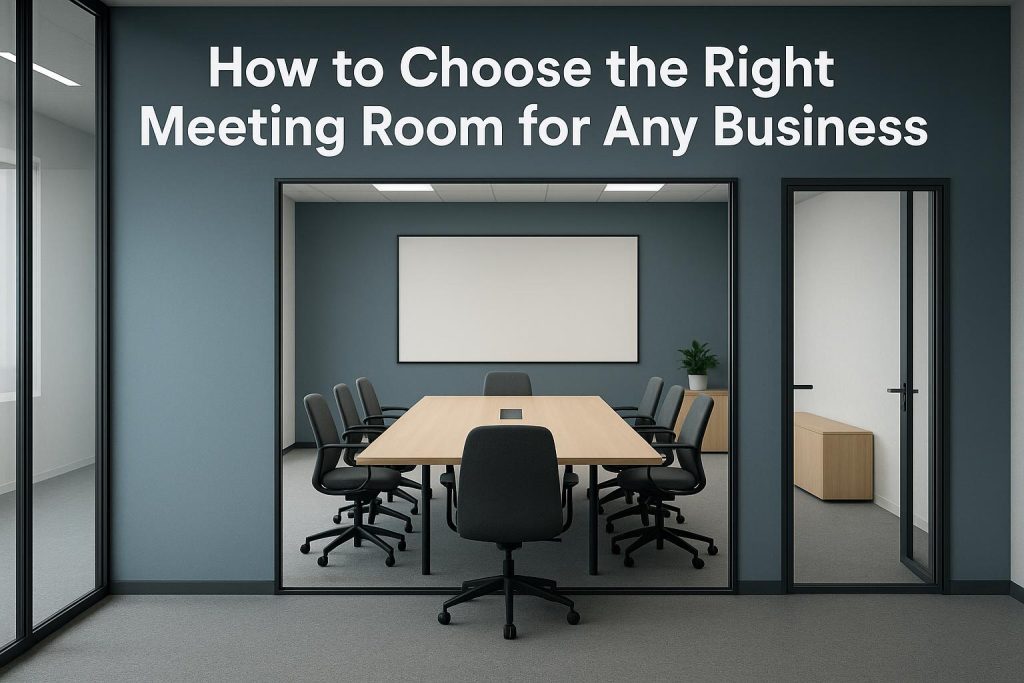
Room arrangement shapes interaction. A boardroom setup encourages structured conversation. Classroom layouts suit training sessions and note-taking. Theatre-style seating works for larger presentations where discussion is limited.
Flexibility adds value. Movable furniture allows adjustments depending on the flow of the session. Workshops may begin with presentations and shift into group discussions. A space that adapts easily supports different activities within the same event.
Clear visibility is important. Every participant should see the screen and speaker without straining. Seating angles and table placement influence how comfortable discussions feel. Thoughtful design encourages engagement without forcing it.
Professional Atmosphere and Brand Impression
First impressions form quickly. Clean interiors, organised spaces, and thoughtful décor reflect attention to detail. Guests notice small elements, from reception areas to signage.
Privacy matters as well. Soundproof rooms prevent outside noise from interrupting sensitive conversations. Distractions reduce confidence during important presentations. A calm environment supports clear thinking.
Reception services add another layer of professionalism. Friendly staff greeting attendees creates a positive start. These subtle details shape how the business is perceived. A carefully chosen meeting room reinforces credibility without saying a word.
Services and On-Site Support
Logistics can distract from meaningful discussion. Spaces that offer support services reduce pressure on organisers. Refreshments keep energy levels steady throughout the session. Simple additions like coffee and water make a noticeable difference.
Administrative support is useful when printing last-minute documents or adjusting room setups. Security services provide peace of mind, especially during longer events. Access control keeps meetings private and organised.
Having these services available allows teams to focus fully on the agenda. Attention remains on collaboration rather than operational details.
Budget Versus Value
Cost often influences decisions, but price alone should not guide the final choice. Comparing hourly, half-day, and full-day rates helps clarify options. Some spaces include technology and refreshments in the base rate, while others charge separately.
Hidden fees can affect the final bill. Setup time, overtime charges, or equipment rentals may increase expenses unexpectedly. Reviewing all inclusions before confirming avoids surprises later.
Value goes beyond the number on the invoice. A slightly higher rate might include better technology, more comfortable seating, and helpful support staff. These elements contribute to smoother sessions and stronger outcomes.
Adapting to Hybrid and Remote Collaboration
Work patterns continue to shift. Hybrid meetings have become common across industries. A space that supports both in-person and remote participants keeps teams connected.
High-quality cameras and microphones improve engagement for online attendees. Clear screens and stable connections allow smooth interaction. Flexible layouts also support blended formats where some participants join virtually.
Forward-thinking businesses select venues that support changing needs. A well-prepared meeting room adapts to evolving work styles without requiring constant adjustments.
Conclusion
A thoughtful approach to choosing a meeting room shapes more than the event itself. It influences confidence, collaboration, and the way ideas are received. As work models continue to change, expectations from professional spaces will also shift.
Businesses that select environments carefully position themselves for stronger discussions and better outcomes. The right setting supports meaningful conversations today while staying ready for what tomorrow’s meetings may require.