


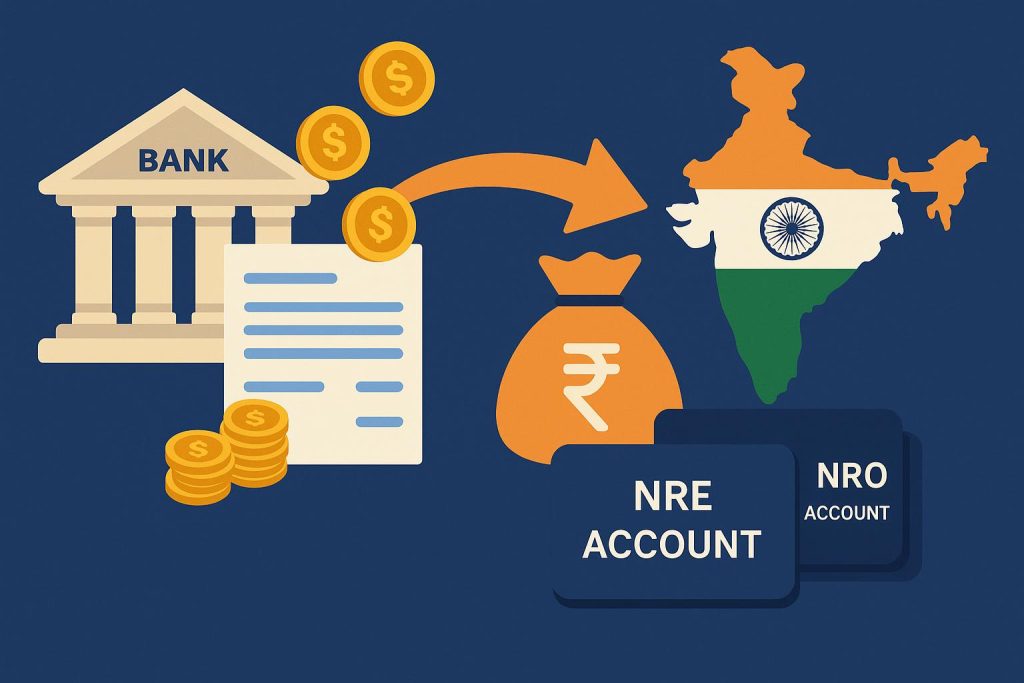
Large transfers out of India can stall if the route, paperwork, or tax position is unclear. Many non-resident Indians manage this cleanly by picking the correct account and preparing early. This article explains the routes, documents, and sequence to repatriate funds through bank channels without avoidable delays.
Understand the NRE Account Route
An NRE account is maintained in rupees and funded from earnings abroad. Balances and interest are generally eligible for repatriation subject to standard checks. Typical uses include moving surplus foreign income back to an overseas account, meeting obligations outside India, and consolidating savings in a home country. Keep credits traceable to foreign income, maintain updated KYC, and reconcile statements so that every inflow has a clear trail.
Use the NRO Account For India Income
An IDFC FIRST Bank NRO account holds income that arises in India, such as rent, dividends, pensions, or matured deposits. Repatriation from an NRO account is allowed within prevailing limits and after taxes are settled. Before raising a request, confirm that tax has been paid or deducted at source, and keep proof ready. Proceeds from the sale of assets may invite additional documentation; retain contracts, bills, and bank proofs.
Documents and Checks Before You Start
Prepare and organise a compact file:
- Passport, visa or OCI, and overseas address proof
- PAN and updated KYC with the bank
- Source proofs: payslips, rent agreement, dividend advice, or sale deed
- Tax evidence where relevant: Form 15CA acknowledgement, Form 15CB from a chartered accountant, TDS certificates, or return acknowledgements
- Account statements for the funding period
- Beneficiary details: name, bank, account number, SWIFT, and country
- The purpose code that matches the nature of the transfer.
Neat scans, consistent signatures, and legible dates reduce the need for clarification.
Step-by-Step Transfer Flow
Here are the steps for the transfer flow:
- Select the Correct Account: Use NRE for foreign income already credited to India. Use NRO for money earned in India.
- Confirm Eligibility and Limits: Check repatriable balance and any annual caps that apply to the transaction type.
- Complete Tax Formalities: For NRO transfers, obtain Form 15CB where required and file Form 15CA online. Keep copies.
- Submit the Remittance Request: Fill out the outward remittance form, attach the documents, and share the beneficiary details, including the SWIFT code.
- Track Execution and File Records: Note the reference number, charges, and exchange rate applied. Store proofs for future audits.
Common Hurdles and How to Avoid Them
Here are the common hurdles and how to avoid them:
- Unclear Source of Funds: Do not mix domestic and foreign earnings in the same trail.
- Missing Tax Proof: For Indian income, provide TDS or tax payment evidence upfront.
- Incorrect Purpose Code: Match the code to the actual reason for transfer.
- Outdated KYC: Refresh KYC before large requests to avoid repeat visits.
- Name Mismatches: Ensure the beneficiary name matches the destination account exactly.
Practical Pointers
Here are some practical pointers:
- Request a breakup of bank charges and exchange margin in advance.
- Keep statements reconciled month by month for quick review.
- Retain all paperwork, including email confirmations and SWIFT copies, for future reference.
Conclusion
Repatriation becomes straightforward when the channel aligns with the origin of funds, documents are complete, and tax treatment is settled. Use the NRE account to move foreign earnings, and the NRO account for Indian income after meeting the applicable limits and proofs. For current forms and process details, refer to IDFC FIRST Bank’s official resources.