


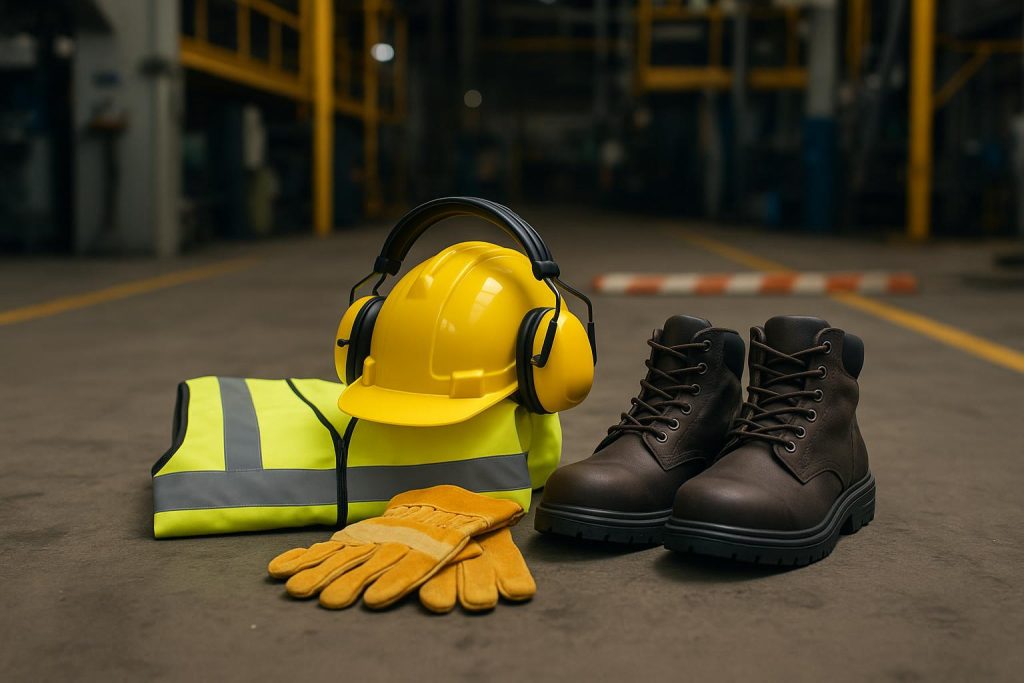
There are few more important things an employer can take care of than workplace safety. Training, risk assessments, and rigorous safety protocols are all vital components-but so many organizations forget one of the most basic, yet effective, tools when it comes to accident prevention: the right workwear.
Workwear is much more than a uniform; it is a protective system that is designed in an effort to keep employees safe from hazards, improve efficiency, and lessen the risk of injuries. From high-visibility gear and slip-resistant footwear to flame-resistant fabrics, every element within workwear plays a role to keep the workers safe and confident.
This comprehensive guide covers how proper workwear reduces workplace accidents, why quality matters, and how businesses can build a clothing strategy that protects both their people and their reputation.
1. The Critical Link Between Workwear and Safety
Every workplace has inherent risks, whether a construction site with cranes and heavy machines in every direction, a manufacturing floor filled with equipment at high temperatures, or a warehouse where someone is moving in every direction. Workwear is on the frontline, be it as a physical barrier or as a functional aid in preventing injury before it occurs.
The right uniform:
- Protects the worker from environmental, chemical, and mechanical hazards
- Improves visibility and awareness
- Improves mobility and reduces strain
- Maintains body temperature and prevents fatigue
Ensures compliance with industry standards for safety.
Companies investing in high-quality workwear usually experience fewer accidents, less downtime, and better morale in the workplace.
2. Visibility: Preventing Accidents Before They Happen
Some other major causes of workplace incidents involve low visibility, particularly in outdoor, roadside, or warehouse environments. Workers who are not easily seen are at higher risk from moving vehicles, machinery, and equipment.
High-visibility workwear assists in preventing such incidents by means of:
- Neon colours (yellow, orange, red)
- Reflective tape that catches light from all angles
- Glow-in-the-dark components for dark conditions
- Contrasting panels that give enhanced visibility
Hi-vis clothing makes workers easily visible to their coworkers, drivers of vehicles, forklift operators, and various types of machinery operators—whether it is in poor light, lousy weather conditions, or around fast-moving objects. This simple addition to a uniform can drastically reduce the cases of accidents, especially in the logistics, construction, and roadside maintenance sectors.
3. Protective Fabrics Reduce the Risk of Injuries
Workwear fabrics are engineered to protect against a variety of hazards. The required protection level varies significantly across industries, but the right material can reduce injury risks substantially.
Common protective fabric types include :
- FR fabrics: These resist heat, fire, and electrical arcs to protect workers.
- Cut-resistant materials: Prevent cuts or abrasions in mechanical or sharp-tool environments.
- Chemically resistant coatings: Protect your skin from corrosive or harmful materials.
- Waterproof and windproof fabrics: Reduce exposure-related stress and fatigue.
- Anti-static materials: Avoid sparking in a sensitive electrical or chemical workplace.
Without fabrics for protection, workers are exposed to burns, cuts, chemical injuries, and electrical hazards-all of which can be avoided by selecting the right workwear.
4. The Role of Proper Footwear in Preventing Falls & Injuries
The most common workplace accidents involve foot injuries, and they can often be completely avoided. Appropriate footwear is an indispensable part of one’s workwear and plays an essential role in safety.
Key footwear features that improve safety:
- Slip-resistant soles: necessary for wet, oily, or smooth flooring.
- Steel or composite toe caps: Protect against heavy falling objects.
- Puncture-resistant midsoles to avoid injuries by sharp debris.
- Shock absorption: Reduces strain on the spine and joints.
- Insulation: Keeps the workers comfortable in cold environments.
- Waterproof materials: prevent slips, fatigue, and health issues.
Accidents skyrocket when workers wear inappropriate footwear: sneakers, worn-out boots, or shoes without slip resistance. Good-quality work boots reduce falls, sprains, impact injuries, and long-term musculoskeletal problems.
5. Ergonomic Workwear Minimises Strain and Overexertion
One of the often-overlooked contributors to workplace accidents is fatigue. When employees are uncomfortable, restricted, or overheated, their capacity for safe performance is decreased.
Ergonomic workwear features include:
- Stretch panels for flexibility
- Lightweight, breathable materials
- Reinforced knee pads for tasks at floor level
- Adjustable waistbands for comfort
- Flexible seams that support full mobility
- Moisture-wicking fabrics that don’t overheat By lessening physical strain, ergonomic workwear helps employees move naturally and maintain good posture, thus staying alert-all of which significantly reduces the likelihood of accidental injuries.
6. Workwear as a Means of Hazard Identification
In many industries, colour-coded uniforms can be very important in identifying job roles or hazard levels. This system makes it easier for supervisors and workers to quickly recognise who is trained, certified, or authorised for certain tasks.
Example of colour coding:
- Green: First aid responders
- Blue: Maintenance staff
- Red: Fire marshals or emergency personnel
- Yellow: Visitors or trainees
- Orange: High-risk outdoor workers
With uniforms, when employees can easily identify roles and responsibilities, accidents due to improper task allocation and confusion become very minimal.
7. Weather-Appropriate Workwear Prevents Environmental Accidents
Working in extreme temperatures poses health and safety risks.
Cold weather hazards:
- Numb fingers leading to poor grip
- Slowed reaction times
- Freezing of metal tools
- Slips due to ice or snow
Hot-weather hazards:
- Heat exhaustion
- Loss of focus
- Sweaty palms leading to tool slippage
- Dehydration
Seasonal workwear-thermal layers, insulated jackets, cooling fabrics, and breathable gear-serves to regulate body temperature and keep workers alert and responsive.
8. Consistency and Standards Reduce Confusion & Mistakes
Standardized uniforms ensure that all workers come up to the same standard of safety. When every employee wears proper protective clothing, companies eliminate inequality in safety equipment and make sure compliance is across the board.
This also protects businesses from:
- Legal disputes
- Injury claims
- Insurance issues
- OSHA/HSE Violations Consistent workwear is one of the simplest ways to maintain strong, compliant safety standards.
9. A Functional Workwear Lineup Enhances Both Safety and Performance
Companies that invest in a functional workwear lineup ensure their employees have a full complement of garments engineered for safety, durability, comfort, and mobility. This often includes everything from reinforced trousers and protective outerwear, to industry-specific footwear and safety accessories. A coordinated high-performance workwear system eliminates any gaps in protection by covering every hazard from head to toe.
A complete lineup also ensures employees would never need to use makeshift or unsafe clothing options, thus drastically reducing accident rates across the organisation.
10. High-Quality Workwear Improves Focus & Reduces Human Error
Accidents are most often related to distraction. When workers are cold, itchy, uncomfortable, or worried about slipping, focus is lost. High-quality uniforms eliminate the distractions, creating an environment in which staff can focus fully on their tasks.
Better focus results in:
- Faster decision-making
- Fewer errors
- Stronger situational awareness
- Enhanced reaction time
Comfortable, well-fitting clothing improves confidence and facilitates safer behaviour.
11. Training and proper use of workwear
Even the best workwear only protects employees if they use it correctly. Companies must provide training on:
- When to wear specific PPE
- How to fit equipment properly
- How to care for and clean clothes
- When to replace damaged items
- How to store workwear safely
Training ensures that the workwear’s full protection features are utilized at all times.
12. Improving Workplace Culture Through Safety-Focused Workwear
When companies invest in quality uniforms, it sends a strong message: “We value your safety.”
This uplifts morale, builds trust, and motivates workers to take safety seriously. When employees feel safe and their well-being is valued, they’re more likely to adhere to procedures, look after their gear, and contribute positively to compliance with a safety culture. Conclusion: The Right Workwear Saves Lives Workwear is a strong predictor of workplace safety. Every element of a uniform, from visibility and protection to comfort and identification of roles, contributes to the prevention of accidents. Companies that invest in high-quality workwear have fewer injuries, higher productivity, and confident and focused employees. With the right functional workwear lineup, organizations can create a safer and more efficient environment-one where workers feel protected, valued, and empowered to perform at their best.